When Your Nervous System Feels Safe, Your Body Can Heal: The Missing Link in Pain Recovery
Most pain treatments focus on the body alone. Yet your nervous system holds a key role in how pain sticks around. When your nervous system safety feels low, your body struggles to heal. This connection often goes unnoticed in chronic pain management. In this post, you’ll learn how nervous system safety shapes pain recovery and practical ways to support your healing through holistic physiotherapy. Learn more about nervous system safety in recovery.
The Link Between Safety and Healing

Feeling safe is crucial for your healing process. Your nervous system plays a big role in how pain is managed and resolved. Let’s explore how this connection works.
Understanding Nervous System Safety
Your nervous system works like a security system. When it feels safe, your body can heal. But when it senses danger, it might keep you in pain. This is why understanding your nervous system’s safety is key.
Everyone feels pain differently because their nervous systems react in unique ways. For instance, some people might feel stress at work as a physical pain. This is because their nervous system interprets it as a threat. By knowing this, you can start to recognize and change these responses.
Autonomic Nervous System and Pain
The autonomic nervous system helps control your body’s response to stress. It’s divided into two parts: the sympathetic and parasympathetic systems. The sympathetic system acts like a gas pedal, revving you up, while the parasympathetic system works like brakes, calming you down.
When your sympathetic system is too active, it can heighten pain. Think of it like a car engine running too fast for too long. Eventually, things start to wear out. Learning to activate your parasympathetic system can help reduce pain and promote healing.
Stress and Pain Connection
Stress can make pain worse. When stressed, your body releases chemicals that can increase pain sensitivity. This cycle can be hard to break, but it’s important to try. Recognizing the link between stress and pain is the first step in managing it.
Most people think stress is just mental, but it affects your body too. It can tighten muscles and increase inflammation, making pain feel more intense. By managing stress, you can help lower your pain levels.
Strategies for Nervous System Regulation
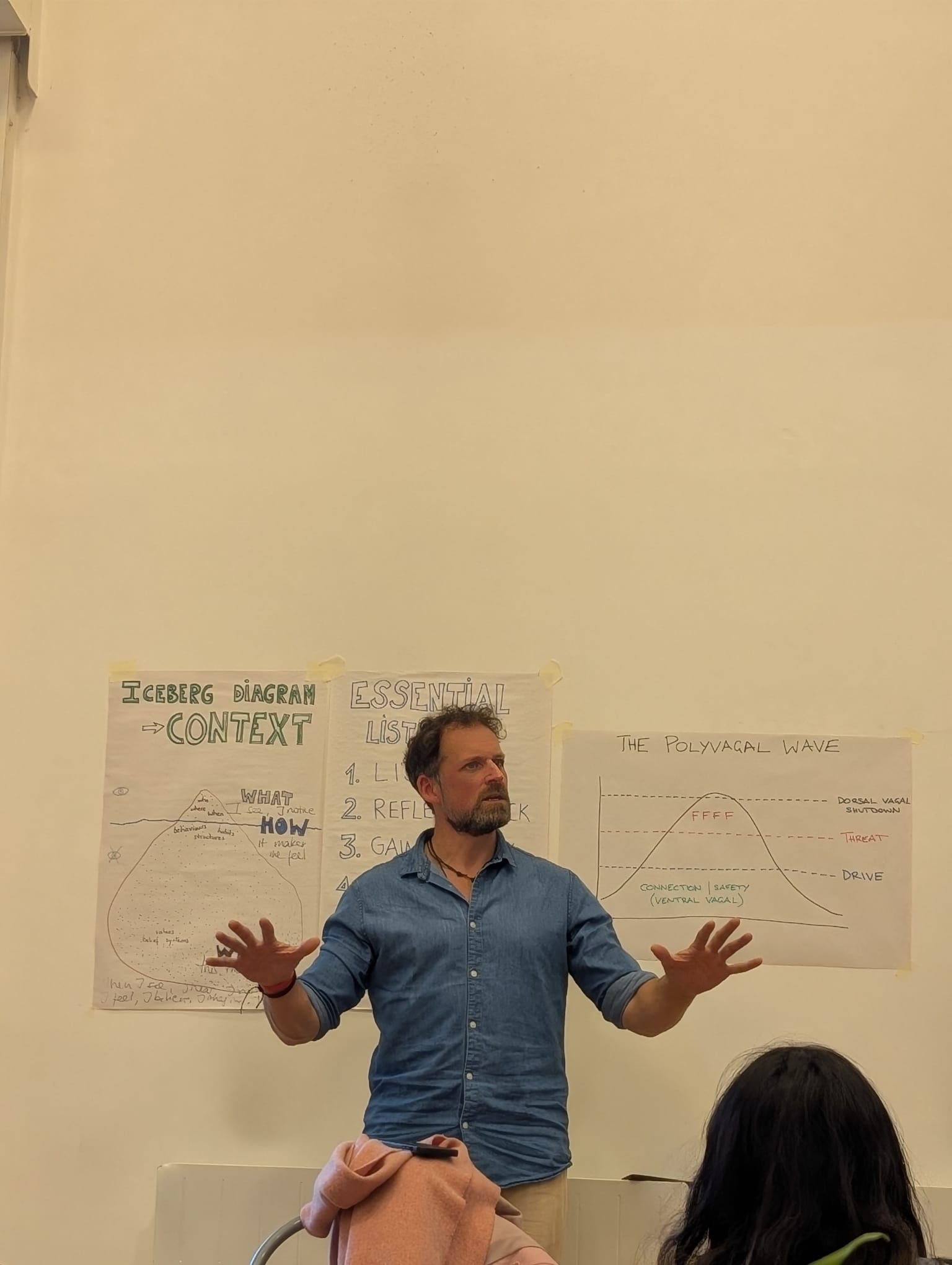
Now that you understand how safety affects healing, let’s explore some strategies to help regulate your nervous system for better pain management.
Vagus Nerve Exercises Explained
The vagus nerve plays a big role in calming your nervous system. Stimulating it can help reduce stress and pain. Simple exercises like deep breathing or humming can activate this nerve, offering relief.
Try this: take a slow breath in, hold it for a few seconds, then exhale slowly. Repeat a few times. This sends calming signals to your brain, helping to ease pain. You can also try humming your favorite tune, which naturally stimulates the vagus nerve.
The Role of Graded Exposure Therapy
Graded exposure therapy helps desensitize your nervous system by gradually increasing your tolerance to activities that cause discomfort. It involves taking small, manageable steps toward doing things you might avoid due to pain.
For instance, if walking causes pain, start by walking short distances and gradually increase. This helps your nervous system realize that these activities are safe, reducing fear and pain over time.
Effective Pacing Strategies
Pacing is all about balancing activity and rest to prevent pain flare-ups. Instead of pushing through pain, break tasks into smaller, manageable parts. This allows you to maintain activity without overwhelming your system.
For example, if a full hour of cleaning is too much, try doing 15-minute bursts with breaks in between. This method keeps you active without triggering pain.
Building Your Personalized Recovery Plan

Creating a recovery plan tailored to your needs can make all the difference in managing pain. Let’s see how you can build one that works for you.
Benefits of Holistic Physiotherapy
Holistic physiotherapy treats the whole person, not just symptoms. It considers emotional and physical aspects, providing a comprehensive approach to healing. This type of care helps create lasting change.
By focusing on the whole body and mind, you can reduce pain and improve overall well-being. This method supports long-term recovery by addressing the root causes of discomfort.
Insights from Pain Neuroscience Education
Understanding how pain works can empower you to manage it better. Pain neuroscience education explains why you feel pain and how you can change it. This knowledge gives you more control over your recovery.
Learning about pain can change your relationship with it. Instead of fearing pain, you begin to see it as something you can influence, making it less overwhelming.
Compassionate Care and Pain Coaching
Compassionate care focuses on empathy and understanding, offering support throughout your healing journey. Pain coaching provides personalized strategies to help you manage pain effectively.
Having a supportive team can make your recovery journey smoother and more successful. With the right guidance, you can feel more confident in your ability to overcome pain and live a fulfilling life.
Incorporating these insights and strategies into your daily routine can help you take control of your pain and start on the path to healing. Remember, the journey to recovery is personal, and finding what works best for you is key to lasting change.