Recover Stronger: Healing a Sports Injury Without Overdoing It
Most sports injury recoveries stall because you push too hard, too fast. That boom and bust cycle drains your energy and delays healing. In this post, you’ll learn how to pace your recovery with smart load management and graded exposure to avoid setbacks and build lasting strength. For more insights, you can read about how to optimize recovery time after a sports injury.
Understanding Sports Injury Recovery
Navigating the path to recovery after a sports injury can feel overwhelming. It’s essential to understand the process to avoid common pitfalls and promote healing.
The Boom and Bust Cycle
When you rush into recovery, you risk falling into the boom and bust cycle. You might push hard to regain lost ground, only to end up back at square one with a setback. Imagine trying to sprint before you can walk.
-
Pattern of Peaks and Valleys: You push too hard, leading to pain, then rest excessively, causing weakness. This cycle delays healing and can shatter confidence.
-
Breaking the Cycle: Focus on steady, incremental progress. Consistency is key. By pacing yourself, you allow your body to adjust and strengthen gradually.
To learn more about safe recovery practices, explore this guide on staying active while recovering from a sports injury.
Graded Exposure Techniques
Graded exposure is your ally in breaking the boom and bust cycle. It involves gradually increasing your activity to enhance resilience without overwhelming your body.
-
Start Small: Begin with activities you can do without pain. This might mean walking for just 5 minutes if that’s all you can manage comfortably.
-
Build Over Time: Slowly increase the duration or intensity as your body adapts. This fosters confidence and reduces the risk of setbacks.
Remember, the goal is to create a safe environment for your body to heal. For more strategies on effective recovery, check out this article on exercising safely while rehabbing an injury.
Load Management Essentials
Managing load is about finding the right balance between activity and rest. It ensures your body gets stronger without overloading it.
-
Listen to Your Body: Pay attention to how your body responds to different activities. Are you feeling stronger or experiencing more pain?
-
Adjust Accordingly: If you notice signs of overtraining, such as fatigue or soreness, scale back. Your body needs time to recover between sessions.
By understanding load management, you can make informed decisions about your recovery plan. For further insights, explore these tips from expert physiotherapists.
Building a Strong Recovery Foundation

A solid foundation supports your recovery journey. By integrating the mind-body approach and focusing on key pillars like sleep and nutrition, you create a nurturing environment for healing.
The Mind-Body Approach
Embrace the interconnectedness of your mind and body in the healing process. When you address both, you enhance your recovery potential.
-
Mindful Practices: Techniques like meditation and deep breathing can reduce stress and promote relaxation. This helps create a positive mindset, essential for healing.
-
Mental Resilience: Building mental strength is as important as physical strength. Cultivate patience and self-compassion to navigate the ups and downs of recovery.
Sleep and Nutrition as Pillars
Sleep and nutrition are the unsung heroes of recovery. They provide the necessary fuel and rest your body needs to heal.
-
Prioritize Rest: Aim for 7-9 hours of quality sleep each night. Sleep is when your body repairs itself, making it crucial for recovery.
-
Fuel Wisely: Nutrition supports tissue repair and energy levels. Focus on a balanced diet rich in proteins, healthy fats, and vitamins.
By prioritizing these pillars, you set the stage for a more effective recovery journey.
Recognizing Overtraining Signs
Understanding when you’re overdoing it is vital. Recognizing the signs of overtraining can prevent unnecessary setbacks.
-
Listen to Your Body: Common signs include persistent fatigue, irritability, and poor performance. These signals indicate a need for rest.
-
Adjust Your Plan: If you notice these signs, cut back on your training intensity or take a rest day. Allow your body to recuperate.
Recognizing these signs early can help you maintain a steady path to recovery and avoid the pitfalls of overtraining.
Designing Your Return to Sport Plan
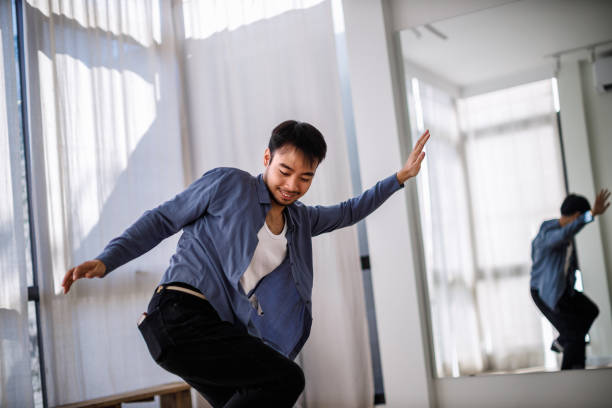
Crafting a return to sport plan involves strategic steps. This ensures that you regain your full capabilities without risking further injury.
Physiotherapy for Athletes
A tailored physiotherapy plan is crucial for athletes. It addresses specific needs and accelerates recovery.
-
Customized Plans: Work with a physiotherapist to develop a plan that targets your injury. This personalized approach ensures you receive the right guidance.
-
Focus on Functionality: The goal is to restore your full range of motion and strength, allowing you to return to your sport with confidence.
For more information on the benefits of physiotherapy, refer to our informative guide.
Dance Injury and Ankle Sprain Rehab
Dancers face unique challenges when it comes to injury recovery. A specialized approach is essential for effective rehabilitation.
-
Specific Techniques: Rehabilitation exercises should target the ankle’s flexibility and strength. They help prevent future injuries and improve performance.
-
Gradual Progression: Start with basic movements and progress to more complex routines. This ensures your body adapts safely to increased demands.
Pain Coaching and Holistic Support
Pain coaching provides the support you need to navigate recovery challenges. It empowers you to take control of your healing journey.
-
Guided Support: Work with a pain coach to develop personalized strategies for managing discomfort and building resilience.
-
Holistic Care: Integrate psychological support and lifestyle adjustments into your recovery plan. This comprehensive approach nurtures both body and mind.
Through pain coaching and holistic support, you gain the tools to overcome obstacles and achieve long-lasting recovery.
In summary, a balanced approach to sports injury recovery is key. By understanding the boom and bust cycle, practicing graded exposure, and managing your load, you set a strong foundation. Prioritize the mind-body connection, essential pillars like sleep and nutrition, and recognize the signs of overtraining. With a well-designed return to sport plan, including physiotherapy and pain coaching, you can reclaim your strength and vitality.