Is It Time for Personalized Physiotherapy? Know When to Fast-Track Your Sports Injury Recovery
You’ve been pushing through your sports injury alone for weeks, but pain still holds you back. When does self-care stop working and personalized physiotherapy become the smart move? This post will help you spot the signs that a 1:1, holistic physiotherapy plan can fast-track your sports injury recovery—and why Life Beyond Pain’s expert approach makes a difference.
Recognizing the Need for Personalized Physiotherapy
If you’ve been grappling with a stubborn injury, you might wonder when to seek more targeted care. Here’s how to recognize if you need a more personalized approach.
Signs You Need a Tailored Approach
It can be tough to know when to switch from self-care to professional help. But if pain persists despite your efforts, it’s time to consider a specialized plan. Persistent pain often signals deeper issues that generic routines can’t address. For instance, if your ankle sprain hasn’t improved after rest and ice, it’s worth seeking a fresh perspective. Also, if you feel your movement is restricted, or recovery seems stalled, these are clear signs. Engaging with a physiotherapist who can tailor a recovery strategy to your unique needs is crucial.
Benefits of 1:1 Holistic Care
Individualized care offers more than just symptom relief. It dives into the root causes of your pain. A one-on-one session means you get undivided attention, crafting a plan that fits your life. This approach considers not just the physical aspect but the emotional and lifestyle factors too. Imagine having a coach who understands your entire story, not just your injury. Holistic physiotherapy emphasizes this, aiming for long-term recovery and empowerment.
Understanding the Athlete Rehabilitation Process
Athlete rehabilitation isn’t just about getting back on the field. It’s about ensuring you return stronger. This process involves a mix of targeted exercises and psychological support. You’ll learn techniques to prevent future injuries, enhancing your overall performance. By understanding this process, you’re not just fixing an issue. You’re building a foundation for future success. Learn more about athlete rehabilitation.
Components of Effective Sports Injury Recovery

To regain full function, your recovery plan must be comprehensive. Dive into these critical components for a robust recovery.
Importance of Movement Retraining and Pain Coaching
Movement retraining is about teaching your body to move correctly again. It’s vital for preventing future injuries and ensuring full recovery. This retraining, coupled with pain coaching, helps you understand your pain better. Pain isn’t just physical; it affects your entire well-being. Coaching aids in building resilience, helping you tackle pain mentally and physically. This dual approach can transform your recovery experience.
Integrating Manual Therapy in Recovery
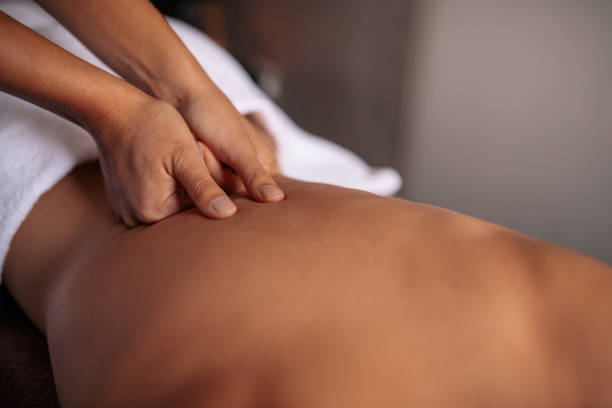
Manual therapy plays a pivotal role in healing. It’s hands-on care that addresses muscle tension and joint stiffness. Through techniques like massage, therapists can enhance mobility and reduce discomfort. This therapy is more than just treatment; it’s a way to understand your body better. By aligning manual therapy with other strategies, you’re giving yourself the best chance at a full recovery.
Role of Load Management and Tendon Rehab
Load management involves balancing exercise intensity to prevent overload. It’s crucial for tendon rehab, ensuring tendons heal properly without additional strain. This aspect of rehabilitation is essential for athletes, where tendons are often under stress. By managing load effectively, you can avoid setbacks and speed up recovery. Proper load management can mean the difference between chronic pain and a swift return to action. Explore more on tendon rehab strategies.
Choosing the Right Physiotherapy Support

Finding the right support is key to a successful recovery journey. Here’s how to choose between different physiotherapy options.
Exploring In-Clinic vs. Virtual Options
In today’s world, physiotherapy isn’t just limited to in-clinic sessions. Virtual physiotherapy offers flexibility and can be just as effective. Consider your needs: Do you need hands-on techniques? Then in-clinic might be best. Prefer the comfort of home? Virtual could suit you. Both options have their merits, but the choice depends on your comfort and specific needs.
How to Book Your Injury Assessment
Booking an assessment is the first step to recovery. It’s about understanding your injury fully. Look for clinics that offer comprehensive evaluations, considering both physical and emotional factors. At Life Beyond Pain, assessments are designed to uncover all aspects affecting your recovery. Getting started is simple: just reach out, and take that crucial step towards healing.
What to Expect from Our Return to Sport Program
Our return to sport program is tailored for athletes eager to get back to their game. Expect a structured plan that includes everything from strength training to mobility exercises. The goal is to prepare you fully, minimizing the risk of reinjury. You’ll work closely with experts who understand the demands of your sport. This program isn’t just about returning; it’s about excelling.
Choosing personalized physiotherapy can be the turning point in your recovery journey. By recognizing the need for tailored care, you’re setting yourself on a path to regain strength and vitality. Whether you opt for in-clinic or virtual sessions, the goal remains the same: a life beyond pain.