Moving Through Fear: Why Fear of Movement Slows Rehab—and How to Rebuild Confidence
Fear of movement often sneaks into rehab, slowing progress more than pain itself. When your body feels fragile, hesitation can turn into a cycle that holds you back from healing fully. Understanding how kinesiophobia affects your recovery can help you break free and rebuild movement confidence step by step. Let’s explore why this fear matters and how a gentle, guided approach can restore trust in your body. [https://www.movemed.co.uk/blog/fear-of-movement-why-returning-to-work-is-key-to-recovery]
Understanding Fear of Movement

Fear can often grip us at the most critical moments, especially when healing is at stake. Kinesiophobia, or fear of movement, plays a crucial role in rehabilitation.
What is Kinesiophobia?
Kinesiophobia is the fear of physical activity due to the worry of injury or pain. This fear can be a major barrier in the healing journey. Imagine wanting to move but constantly second-guessing every step. This hesitation can slow down progress. When fear controls your actions, it becomes harder to regain trust in your movements. This fear is not uncommon. It’s something many face, especially after an injury. Understanding this fear is the first step to overcoming it.
How Fear Affects Recovery
Fear can subtly undermine the healing process. It often leads to avoiding movement, which is essential for recovery. When you avoid moving, your body misses out on the benefits of exercise, like improved blood flow and muscle strength. This can lead to longer recovery times. Imagine a cycle where fear leads to inactivity, which then reinforces the fear. It becomes a loop of avoidance and more fear. This cycle can make recovery feel like an uphill battle.
Breaking the Avoidance Cycle
Breaking free from the avoidance cycle requires awareness and action. Acknowledge the fear, but don’t let it dictate your actions. Consider small, manageable steps that encourage movement without overwhelming you. Think of it like climbing a staircase one step at a time. Each step builds confidence and reduces fear. By gradually reintroducing movement, you can break the cycle and move towards recovery. This is where the real change begins.
Rebuilding Movement Confidence
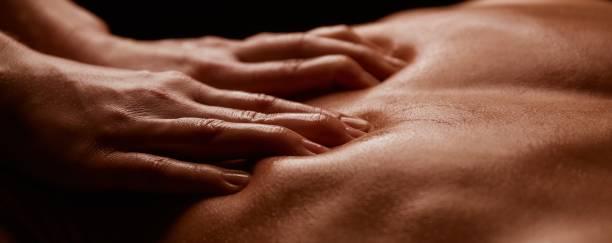
Once you’ve identified and started addressing your fears, the next phase is to rebuild your confidence in movement.
Practical Steps for Trust
Rebuilding trust in your body requires patience and strategy. Start with small movements that you feel comfortable with. For instance, gentle stretching or short walks. Listen to your body and gradually increase the complexity of movements. Celebrate each small victory. By doing so, you reinforce trust in your body’s capabilities. Remember, confidence grows with practice. The more you try, the more you believe in your ability to move without pain.
Graded Exposure and Activity Pacing
Graded exposure involves slowly increasing your activity levels. Begin with what feels safe and slowly add more challenging activities. This method helps to retrain your mind and body to see movement as safe. Similarly, activity pacing prevents overexertion by balancing activity with rest. This approach ensures you don’t push too hard too soon, reducing the risk of setbacks. Together, these strategies provide a solid foundation for rebuilding movement confidence.
Pain Education and Science
Understanding pain can reduce its impact on your life. Pain is not always a sign of damage; sometimes, it’s your body’s way of protecting you. Learning about pain science can demystify the sensations you feel. When you understand pain, it loses some of its power over you. Education empowers you to challenge misconceptions and fears. Resources like this study on pain education offer insights into how knowledge can transform your approach to rehabilitation.
Holistic Physiotherapy Approaches

Integrating holistic approaches can further support your recovery journey.
The Biopsychosocial Approach
This approach considers the physical, emotional, and social aspects of recovery. It recognizes that healing is not just about the body. Emotional and social factors can also impact recovery. Addressing all these areas creates a comprehensive treatment plan. This method ensures you’re supported in every aspect of your recovery journey. By considering the whole person, the biopsychosocial approach offers a more rounded path to health.
Pain Coaching and Nervous System Regulation
Pain coaching provides personalized strategies to manage pain. It focuses on understanding your pain and developing skills to cope. Alongside this, regulating your nervous system can help reduce pain sensitivity. Techniques like deep breathing and mindfulness can calm the nervous system. These practices can decrease stress and anxiety, making it easier to manage pain. Combining these approaches offers a powerful toolkit for recovery.
Compassionate Physiotherapy for Injury Recovery
A compassionate approach to physiotherapy focuses on empathy and understanding. It’s about listening to your needs and fears. This method involves working closely with you to create a tailored recovery plan. Compassionate care ensures you feel supported and understood throughout your journey. It’s not just about physical healing, but also emotional support. This approach encourages a strong therapeutic relationship, promoting trust and confidence in your recovery path.
By embracing these strategies and insights, you’re not just moving beyond pain, but reclaiming control over your body and life.