What to Look For in a Personalized Pain Management Plan: From Pain to Possibility
Most pain plans treat symptoms, not the person behind them. When your pain lingers, you need more than quick fixes—you need a personalized pain management plan that considers your body, mind, and lifestyle. This approach opens doors to real healing and lasting change. Here’s what to look for when choosing a plan that puts you at the center of your recovery. For more information on the importance of personalized care, you can visit this guide on personalized pain management.
Key Components of a Personalized Pain Plan
Integrating Physical and Emotional Care
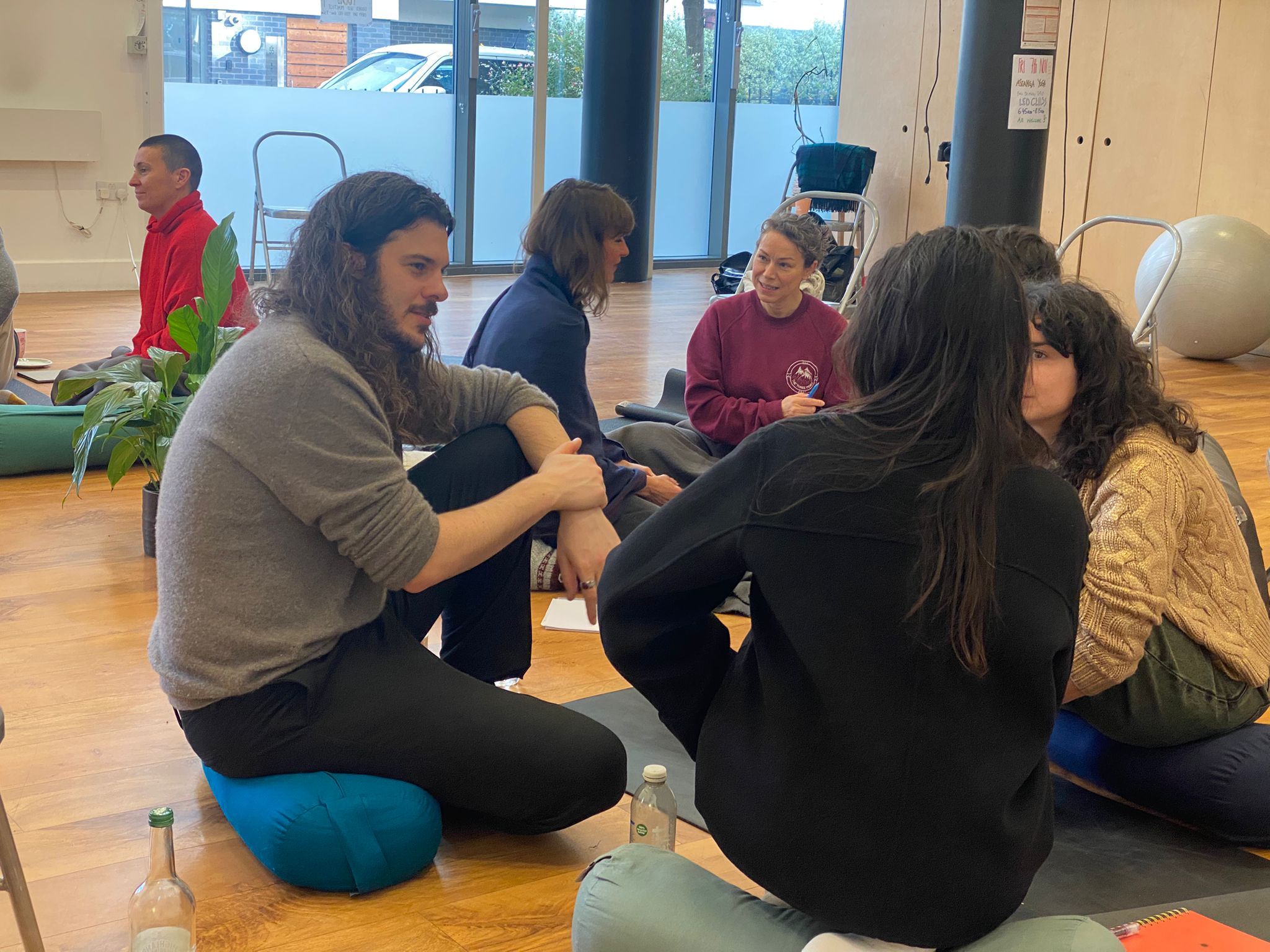
When considering a pain plan, it’s important to address both physical and emotional aspects. Your feelings, thoughts, and stress levels can all impact how you experience pain. Ignoring these elements might leave gaps in your recovery.
A comprehensive plan will include physical therapies like exercises, massages, or manual therapy tailored to your specific needs. Equally vital is the integration of emotional care, which may involve counseling or relaxation techniques to help manage stress and anxiety. This dual approach helps build a foundation for lasting relief.
Most people think addressing physical symptoms alone is enough; however, combining emotional support creates a stronger impact. By doing so, you engage in a complete healing journey that tends to both the mind and body, offering a more balanced path to recovery.
Assessing Individual Needs and Goals
Every person’s pain is unique. A plan that truly works for you will start with understanding your specific needs and goals. Are you an athlete aiming to return to peak performance? Or perhaps you’re focused on easing chronic pain to enjoy everyday activities?
To tailor a plan, assessments help identify your pain points and personal objectives. This includes reviewing your lifestyle, daily activities, and any stressors that might affect your pain levels. With this information, a personalized strategy can be developed.
Challenge the common belief that a one-size-fits-all solution exists. Instead, seek a plan that respects your individual story. This approach not only addresses your current pain but also sets a clear path toward achieving your personal health milestones.
Incorporating Lifestyle Medicine for Pain
Lifestyle medicine plays a pivotal role in managing pain. This involves making changes in diet, exercise, sleep, and stress management to support better health outcomes. Small adjustments in these areas can lead to significant improvements in pain levels and overall wellbeing.
For example, incorporating more anti-inflammatory foods or establishing a consistent sleep routine can reduce pain flare-ups. Regular, moderate physical activity helps maintain strength and flexibility, crucial for managing persistent pain.
By focusing on lifestyle, you gain tools that empower you to take an active role in your recovery. This approach does not just aim to treat pain but enhances your overall quality of life, inviting you to embrace a more proactive and fulfilling journey to health.
The Role of Holistic Pain Management
Understanding the Biopsychosocial Approach
Holistic pain management often involves understanding the biopsychosocial approach. This model highlights how biological, psychological, and social factors influence your pain experience. Recognizing these elements helps in crafting a more effective pain management plan.
By considering how your body, thoughts, and environment interact, a plan can be designed to address all dimensions of pain. This method encourages looking beyond symptoms to understand the deeper layers that contribute to discomfort.
Most assume treating pain is purely medical. Yet, embracing this multifaceted view allows for a comprehensive strategy that not only alleviates pain but promotes a more cohesive and enriched life experience.
Blending Manual Therapy and Movement-Based Techniques
Combining manual therapy with movement-based techniques can significantly enhance pain relief. Manual therapy involves hands-on techniques to improve tissue function and mobility. This can include massage, joint manipulation, or stretching to address specific areas of discomfort.
Movement-based therapies, such as yoga or tai chi, complement manual practices by promoting flexibility and strength. These activities encourage gentle movement, which reintroduces the body to pain-free motion.
Contrary to the belief that rest alone cures pain, incorporating these therapies allows for active participation in recovery. This blend not only addresses immediate pain but fosters long-term resilience and self-assurance in your body’s capabilities.
Choosing the Right Physiotherapy Path

Tailoring Recovery for Athletes and Performers
Athletes and performers need a specialized approach to recovery. Their bodies are often pushed to extremes, requiring careful and precise rehabilitation strategies. A tailored plan focuses on restoring performance while preventing future injuries.
Sports injury rehabilitation typically involves targeted exercises to rebuild strength and agility. It also includes pain education to help you understand your body’s limits and capabilities. This specialized care ensures a faster and safer return to your passion.
Challenge the notion that athletes must endure pain to excel. With the right plan, you can achieve peak performance without compromising your health, setting a solid foundation for sustainable success in your field.
Emphasizing Virtual and Remote Support Options
In today’s digital age, virtual and remote support options are increasingly important. These services offer flexibility and accessibility, allowing you to receive guidance and care no matter where you are. This is essential for maintaining consistent progress in your recovery journey.
Remote consultations provide the opportunity to connect with experts who can offer personalized advice and adjustments to your plan. This form of support ensures that you remain on track, even if in-person visits aren’t feasible.
Most believe that effective physiotherapy requires frequent office visits. However, embracing virtual options expands your ability to access quality care and maintain momentum toward your health goals, ensuring comprehensive support at every step.
By incorporating these elements into your personalized pain management plan, you can move beyond pain and reclaim control over your life.