Nervous System Regulation in Chronic Pain: The Key to a Sustainable Treatment Plan
Most chronic pain treatments miss one crucial piece: your nervous system’s role. If pain keeps showing up no matter what you try, it’s time to focus on nervous system regulation. At Life Beyond Pain, we combine this approach with physiotherapy and coaching to help you regain control and find lasting relief. Keep reading to see how calming your autonomic nervous system can reshape your recovery. Learn more.
Understanding Nervous System Regulation
Understanding the nervous system is key to managing chronic pain. It’s about more than just physical symptoms; it’s about how your body communicates with itself.
Importance of Autonomic Nervous System
Your autonomic nervous system plays a crucial role in keeping your body in balance. It manages functions like heart rate and digestion without you even thinking about it. When it’s out of sync, pain can feel more intense. Picture your body as a finely tuned orchestra. If one section is off, the whole performance can suffer. Focusing on this system helps you regain control over your body’s responses. To deepen your understanding, explore these insights.
Connection Between Stress and Pain
Stress often feels like an abstract concept, but its effects are very real. When stress remains high, it can amplify pain signals. Think of it as a volume knob being cranked up without you touching it. Your daily worries and challenges can turn up that volume, making every twinge feel like a roar. By learning to manage stress, you turn down that knob, which can ease chronic pain. This isn’t just about calm; it’s about relief. Check out these expert-backed strategies for managing chronic pain.
Role of Vagus Nerve in Recovery
The vagus nerve is like your internal reset button. It helps shift your body from a fight-or-flight state to a rest-and-recharge mode. This nerve is involved in calming your heart rate and easing digestion, but it also plays a big role in reducing pain sensitivity. When you activate it, you’re telling your body it’s safe to relax. Simple practices like deep breathing can activate the vagus nerve, offering you a way to calm your system. This is a game-changer for many dealing with chronic pain. Discover more about this in this article.
Integrating Holistic Pain Management
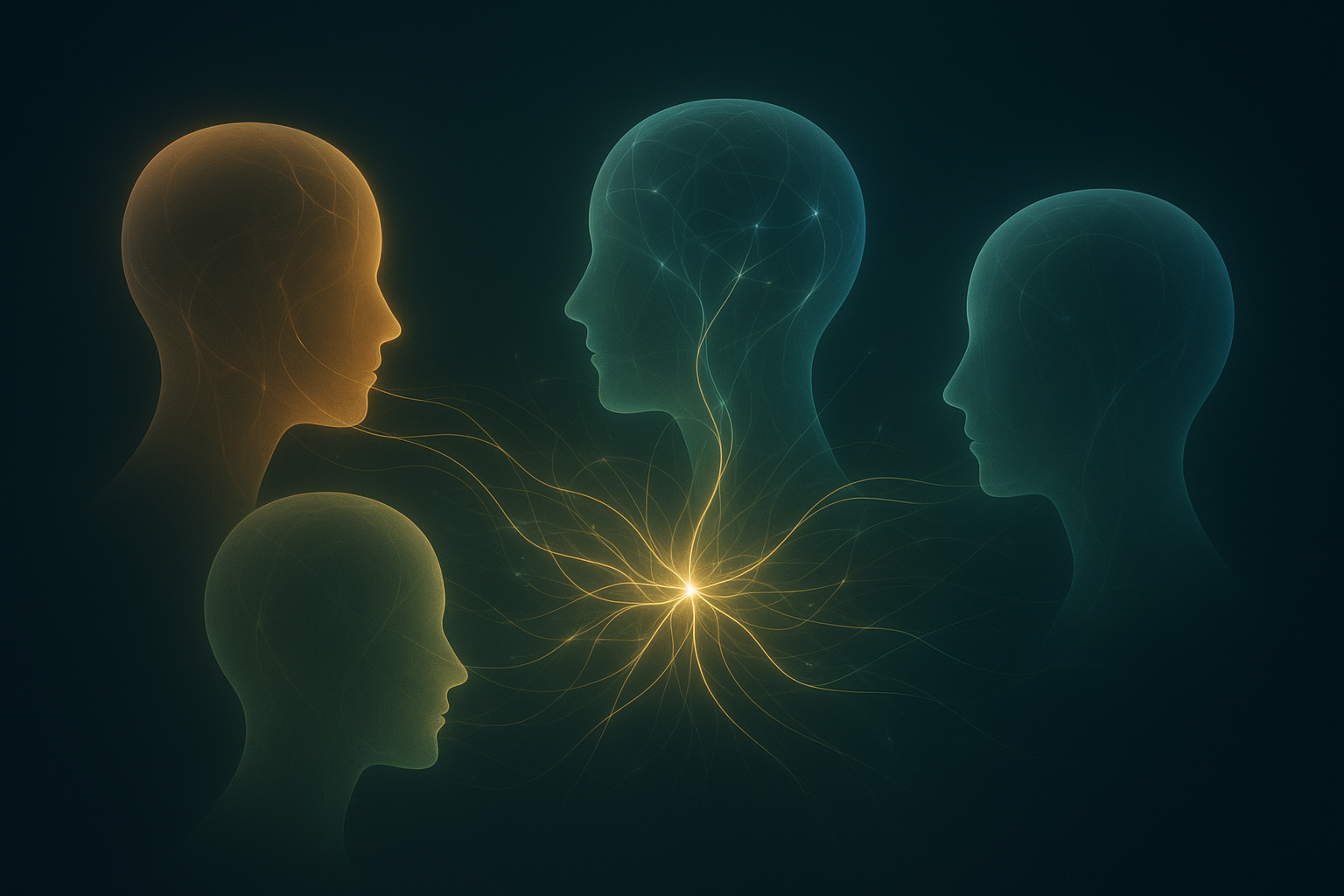
To truly manage chronic pain, it’s essential to take a holistic approach. This involves combining various strategies that address both body and mind.
Physiotherapy for Chronic Pain
Physiotherapy focuses on movement and physical function, providing a foundation for pain management. It’s not just exercises; it’s a personalized plan that considers your body’s unique needs. By working on specific movements, you restore strength and flexibility, reducing pain. Picture it as a customized workout designed just for you. It’s tailored to not only improve your physical abilities but also enhance your quality of life.
Benefits of Pain Coaching
Pain coaching offers guidance beyond the physical aspects of recovery. It’s about understanding how pain affects your daily life and finding strategies to manage it. A coach works with you to set goals and create a plan that fits your lifestyle. They provide support and accountability, helping you to stay motivated. This approach helps you feel empowered and in control, rather than at the mercy of your pain.
Somatic Exercises and Breathwork
Somatic exercises and breathwork are powerful tools in pain management. These practices focus on body awareness and breathing to reduce tension and stress. By paying attention to how your body feels and moves, you can identify areas of tension and learn to release them. Breathwork, through techniques like deep breathing, activates the vagus nerve, promoting relaxation and pain relief. These practices are simple yet effective ways to support your body’s healing process.
Specialized Care for Athletes and Performers
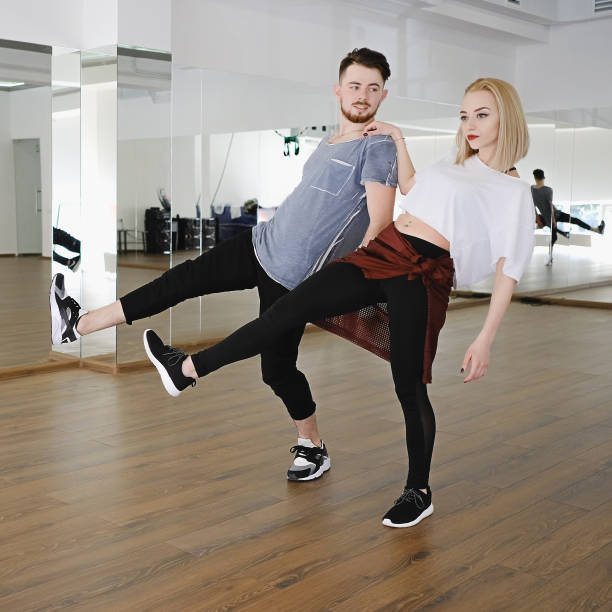
Athletes and performers need specialized care to address the unique demands of their bodies. They require not only injury recovery but also strategies to optimize their performance.
Sports Injury Rehabilitation Focus
Sports injury rehabilitation goes beyond just healing an injury; it’s about restoring full function and preventing future issues. This involves a comprehensive approach that includes not just physical therapy but also strategies to improve movement patterns. By focusing on the specific demands of your sport, rehabilitation helps you return stronger and more resilient. It’s about getting you back in the game with confidence.
Dance Injury Rehab Essentials
Dance injury rehab requires a deep understanding of the unique challenges dancers face. It’s not just about treating injuries but also about improving movement efficiency and preventing future injuries. This involves a combination of physiotherapy, strength training, and flexibility exercises tailored to the demands of dance. By addressing both the physical and artistic aspects of dance, rehab helps you perform at your best.
Mind-Body Physiotherapy Techniques
Mind-body physiotherapy techniques integrate physical and mental practices to optimize recovery. These techniques focus on the connection between your mind and body, helping you understand how they influence each other. By incorporating mindfulness and relaxation techniques into your rehabilitation, you enhance your body’s ability to heal and recover. This approach not only aids in physical recovery but also supports mental well-being, creating a holistic path to healing.
In conclusion, managing chronic pain requires a comprehensive approach that addresses both the physical and emotional aspects of health. By understanding and regulating the nervous system, and integrating holistic pain management strategies, you can find relief and reclaim control over your body. Whether you’re dealing with persistent pain or recovering from an injury, taking the first step towards a holistic care approach can transform your recovery journey.