Beyond Symptom Relief: A Comprehensive Path to Managing Persistent Pain
Most pain plans focus on symptom relief alone. You feel stuck, tired of quick fixes that don’t last. Persistent pain management requires a broader view—one that includes holistic physiotherapy, pain coaching, and lifestyle changes tailored to your unique story. Let’s explore how a compassionate, whole-person strategy can help you regain control and move with confidence. For more insights, visit this resource.
Comprehensive Persistent Pain Management

To move beyond short-term solutions, consider a full-scale strategy. This approach includes physical therapy, coaching, and lifestyle choices that respond to your unique needs. Here’s how it unfolds.
Holistic Physiotherapy Benefits
Holistic physiotherapy sees you as a whole person, not just a set of symptoms. It focuses on treating the body and mind together, enhancing overall well-being. You’ll gain more than just relief; you’ll find a new path to health. Techniques like manual therapy and specific exercises aim to support your body’s natural healing. This type of therapy helps create a stronger foundation for your recovery. It’s about teaching your body to move comfortably and confidently again.
Pain Coaching for Relief
Pain coaching offers personalized strategies to understand and manage your pain experience. Coaches work with you to identify triggers and develop coping mechanisms that suit your lifestyle. This is not just about managing symptoms; it’s about empowering you to take control. Through regular sessions, you’ll learn to shift your mindset and approach challenges differently. This technique encourages self-awareness and fosters resilience, helping you face daily life without fear.
Lifestyle Medicine for Pain
Lifestyle medicine integrates healthy habits to aid recovery. It involves nutrition, exercise, sleep, and stress management to support your body’s healing process. Simple changes, like incorporating anti-inflammatory foods or practicing regular mindfulness exercises, can have a significant impact on pain levels. By addressing these lifestyle factors, you create an environment where your body can thrive. It’s about building a routine that supports long-term health and well-being.
Integrating Movement and Mindset

Combining movement with a positive mindset can transform your approach to managing pain. Let’s dive into how this integration can enhance your journey to recovery.
Movement Retraining Techniques
Movement retraining focuses on teaching your body how to move efficiently. This involves exercises that improve coordination, strength, and flexibility. For example, practicing balance exercises can help you regain confidence in everyday activities. The key is to start slow and gradually increase intensity. Over time, these movements become second nature, reducing the fear of movement and the pain it might cause.
Nervous System Regulation Practices
Calming the nervous system aids in reducing pain perception. Techniques like breathwork or meditation help soothe the mind and body. When practiced consistently, these strategies can reset your body’s response to stress and pain. By incorporating simple breathing exercises or guided meditation into your routine, you encourage relaxation and resilience. This not only helps manage pain but also improves overall mental health.
Graded Exposure and Pacing
Graded exposure involves gradually increasing your exposure to activities that may trigger pain. It’s about finding your starting point and slowly building from there. Pacing ensures that you don’t overdo it, preventing setbacks. For instance, if walking is painful, start with short distances and add a few minutes each day. This method helps build tolerance and confidence in your abilities.
Recovery for Athletes and Performers
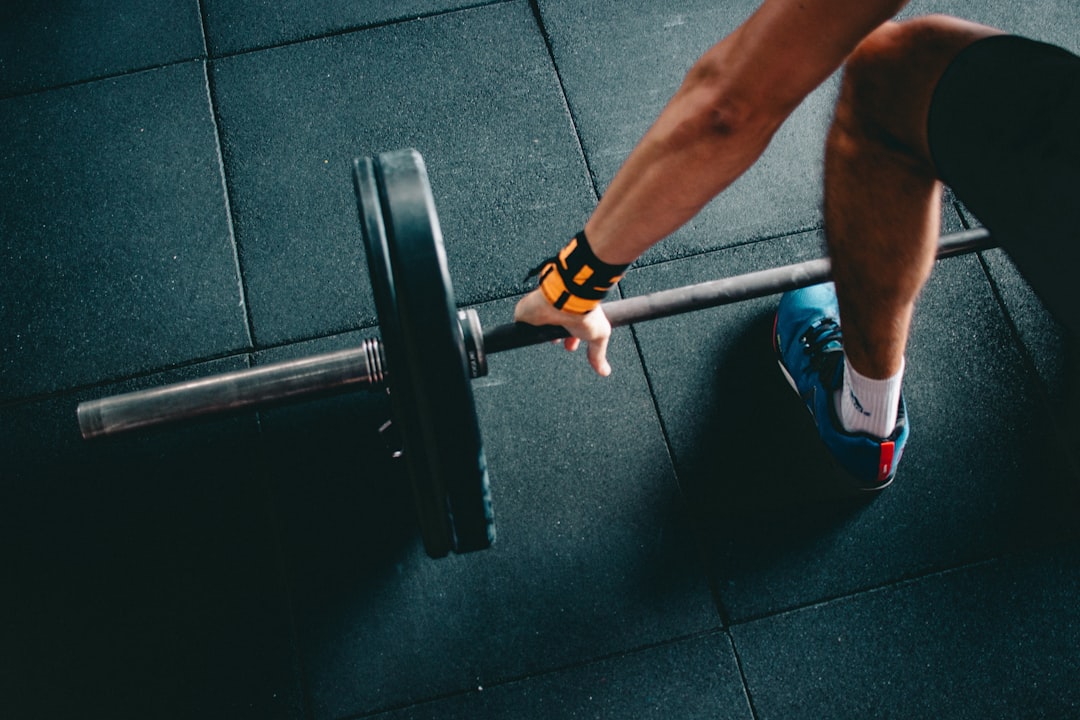
Athletes and performers have unique recovery needs. Their rehabilitation requires targeted strategies to ensure they return to peak performance safely and effectively.
Sports Injury Rehabilitation Methods
Rehabilitation for sports injuries focuses on restoring function and preventing future injuries. This might include strength training, flexibility exercises, and sport-specific drills. The goal is to return athletes to their sport stronger and more resilient. By incorporating evidence-based practices, you lay the groundwork for a successful return to activity.
Dance Injury Rehab Essentials
Dance rehabilitation requires a nuanced approach, considering the unique demands on a dancer’s body. Techniques might involve balance, coordination, and flexibility exercises. Specific programs tailored to the needs of dancers can speed up recovery and prevent recurrence. By focusing on these areas, dancers can regain their performance level while minimizing the risk of further injury.
Sleep and Pain Connection
Quality sleep is vital in managing pain. Poor sleep can heighten pain sensitivity and slow recovery. Establishing healthy sleep habits can improve pain management and boost recovery. This includes maintaining a consistent sleep schedule and creating a restful environment. By prioritizing sleep, you support your body’s natural healing processes and enhance overall well-being.
By embracing a comprehensive approach to persistent pain, you empower yourself to take charge of your health. Consider seeking guidance from experts who understand the complexities of pain management. Your journey to recovery starts with knowledge and the right support. For more insights, explore this article.