Pain Has Many Roots: Lifestyle, Stress, Beliefs, and Connection
Pain doesn’t come from just one place. Your lifestyle, stress levels, beliefs about pain, and even how connected you feel to others all play a part. Understanding these hidden factors is key to managing discomfort in a way that goes beyond quick fixes. This blog will explore how a biopsychosocial approach to pain can help you regain control and build lasting strength. For more insights on how social connection influences pain, you can read more here.
Understanding Pain’s Complexity
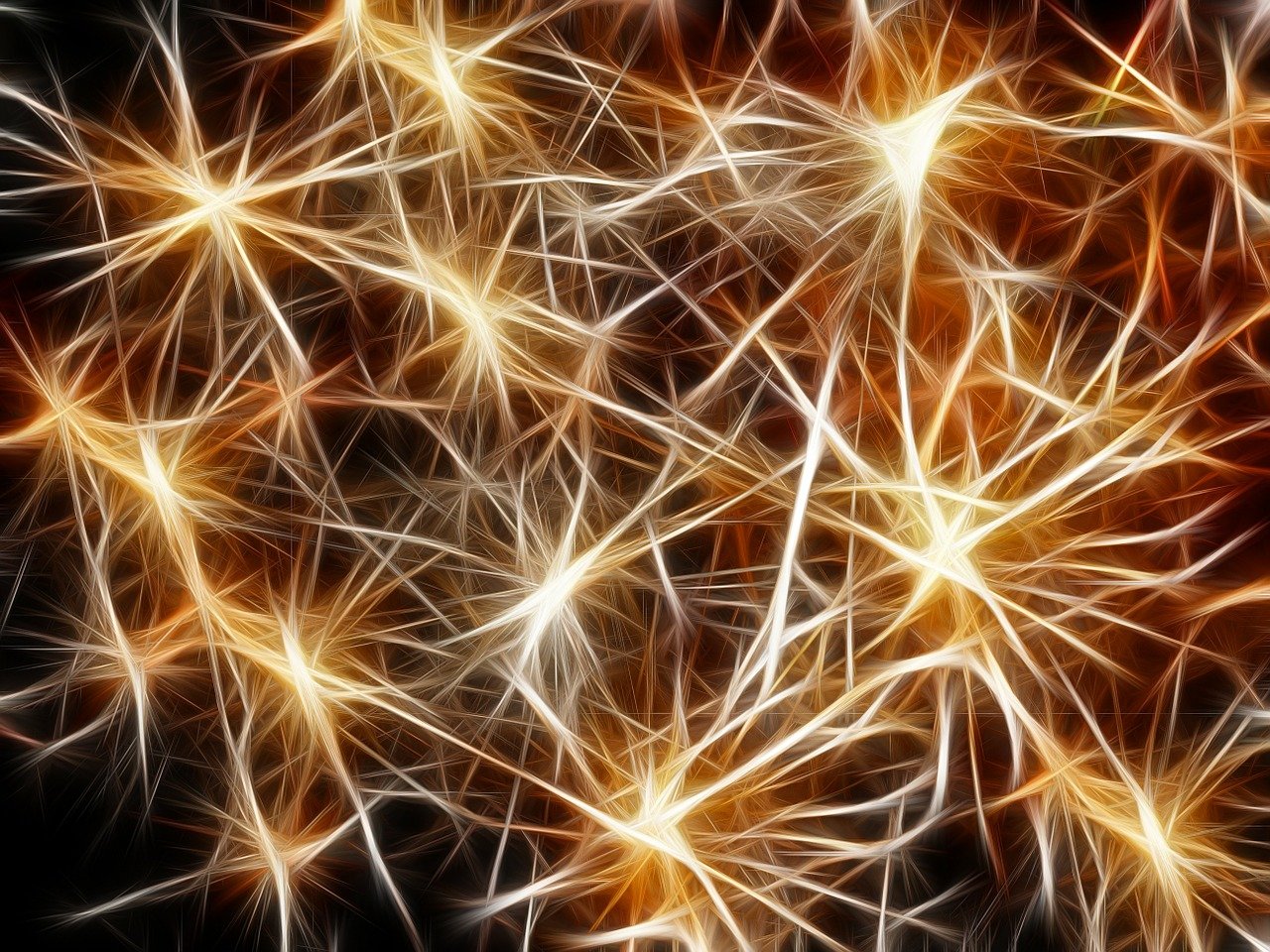
Pain is a puzzle with many pieces. It’s not just about what’s happening in your body, but also how you live your life, manage stress, and connect with others. Let’s uncover these pieces together.
Lifestyle Factors and Pain
Your daily habits can quietly shape your pain. Consider how diet, exercise, and sleep play a role. Ever notice how a poor night’s sleep can make discomfort feel worse? This isn’t just in your head. Studies show that lack of sleep can heighten pain sensitivity. For a deeper dive into how lifestyle choices influence pain, check out this article.
Choosing nutritious foods, staying active, and getting enough rest can help you manage pain better. Imagine each healthy choice as a small step towards relief. These small steps add up, offering a powerful way to reduce discomfort and improve your overall well-being.
Stress and Pain Connection
Stress and pain often go hand in hand. When stress mounts, your body may respond with more intense discomfort. This happens because stress triggers a fight-or-flight response, which can amplify pain signals. Did you know that regular stress can make your body more sensitive to pain?
Finding ways to manage stress is crucial. Deep breathing, meditation, or a simple walk outside can help calm your mind and reduce pain. These practices can seem minor, but they have a big impact on your body’s stress levels. For more on how stress affects pain, consider exploring this resource.
The Role of Beliefs and Connection
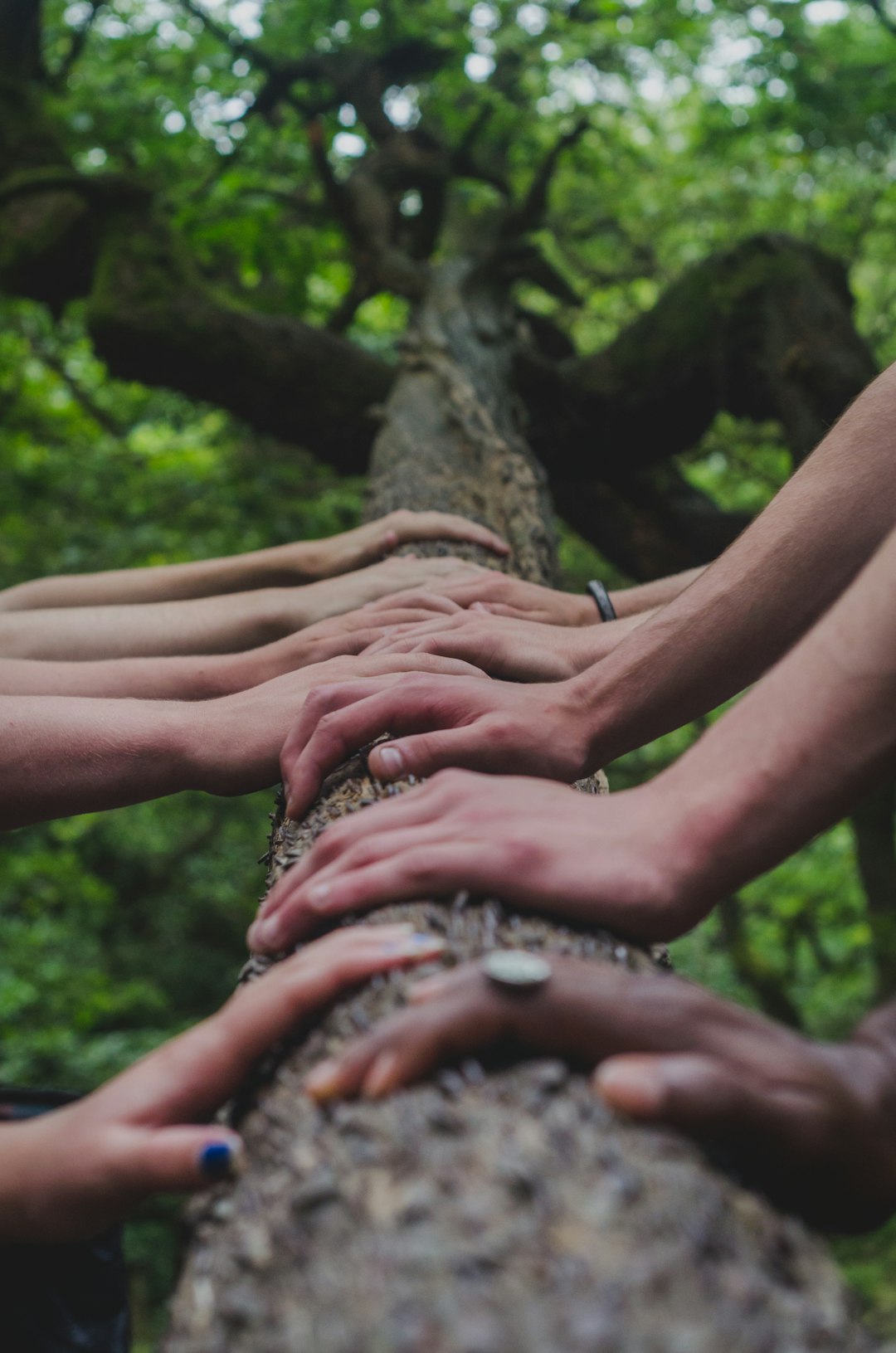
How you think about pain and who you connect with can change its intensity. Our beliefs and social ties are powerful tools in the fight against pain.
Impact of Pain Beliefs
Your beliefs about pain can shape your experience. If you think pain means damage, you might avoid activities, which can actually worsen the problem. Understanding pain as a protective signal rather than damage can change how you cope with it. For more insights, visit this article.
Challenge the belief that pain controls your life. Recognize that while pain is real, it’s not an unstoppable force. This shift in perspective can empower you to seek solutions and take back control.
Social Connection and Pain
Feeling connected can ease pain’s grip. Isolation can make discomfort feel worse, while a strong support network can buffer against pain. When you share experiences with others, it can help reduce your stress and pain levels. Learn more about this connection here.
Reach out to friends or join a support group. These connections can be a healing force, offering comfort and understanding. Remember, you’re not alone in this journey.
Holistic Approaches to Pain Management

A comprehensive approach can help you navigate pain more effectively. Let’s explore how different strategies work together to support healing.
Biopsychosocial Approach to Pain
This method sees pain as a blend of physical, emotional, and social factors. Instead of focusing solely on physical symptoms, it considers how each aspect of your life contributes to pain. This holistic view is key in chronic pain management.
By addressing these interconnected factors, you can develop a more effective pain management plan. This approach not only alleviates discomfort but also enhances your quality of life. For more on this approach, consider reading further here.
Lifestyle Medicine for Pain
Lifestyle medicine focuses on using your daily choices to improve health and reduce pain. This includes nutrition, exercise, stress management, and social connections. Each element plays a part in reducing discomfort and promoting healing.
Simple changes, like incorporating more fruits and vegetables into your diet or taking daily walks, can support your journey to recovery. These changes might seem small, but they can make a significant difference in how you experience pain.
Embrace a holistic approach to pain management. By looking at the full picture, you can find a path to relief and a more vibrant, pain-free life.