Beyond the Ache: How Lifestyle, Stress, Beliefs, and Connection Shape Pain—and How to Change Them
Pain is rarely just about the body. Your lifestyle, stress levels, beliefs, and connections shape how you feel—and what you experience daily. Understanding this biopsychosocial approach to pain opens new paths toward control and relief. Let’s explore how these factors interact and what you can do to start changing the story of your pain today. For more information, visit this resource.
Understanding Pain’s Roots
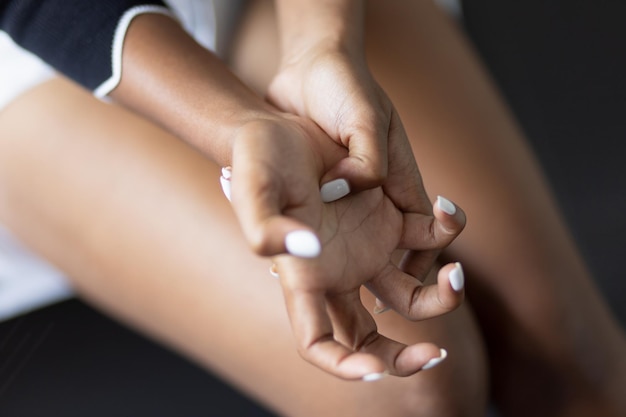
Every ache tells a story, and understanding these stories begins by examining their roots. The way you live, think, and feel plays a significant role in your experience of pain. Here’s how.
Lifestyle Factors and Pain
Your daily habits can be powerful influencers of pain. Picture this: long hours hunched over a computer or skipping meals can lead to discomfort or aggravate existing issues. When you recognize these patterns, you can choose healthier routines.
-
Movement Matters: Regular, gentle exercise like walking or stretching can reduce pain intensity. It’s about finding what works best for you.
-
Sleep Quality: Poor sleep can worsen pain. Aim for consistent rest to let your body heal.
Choosing better habits can slowly ease the grip pain has on your life.
Stress and Pain Connection
Feeling stressed? It might be making your pain worse. When stress levels rise, so can pain. You might find that tension from a hectic day leads to a sore back or pounding headache.
-
Mindful Moments: Take time to breathe deeply or meditate. These practices can lower stress and help manage your pain.
-
Support Systems: Talking to someone you trust can lighten your mental load. For further insights, explore the link between stress and chronic pain.
By addressing stress, you might find physical relief as well.
Beliefs and Pain
What you believe about pain can shape how you feel it. If you think, “This will never get better,” your brain might respond by keeping the pain alive. Changing this narrative can be powerful.
-
Positive Reinforcement: Remind yourself of past recoveries. Success stories can inspire hope.
-
Therapy and Coaching: Professional support can guide you in reshaping beliefs and thus reducing pain.
Challenging negative thoughts can unlock new possibilities for healing.
The Power of Connection
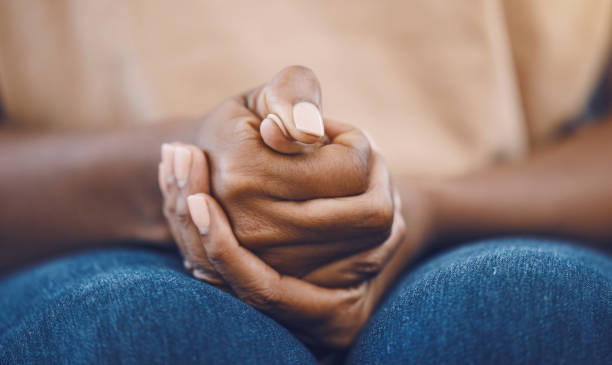
Human connections can significantly impact how we experience pain. Feeling isolated can amplify discomfort, while community support can ease it. Let’s dive into this dynamic.
Social Connection and Pain
Interacting with others can be a balm for pain. When you’re with friends or family, pain often fades into the background. Connection provides a sense of safety and belonging.
-
Reach Out: Call a friend for a chat or join a local club. Being with others can naturally reduce your pain perception.
-
Shared Activities: Engage in group exercises or community events. These interactions can build a social network that buffers against pain.
For more on the importance of social ties, see this article on social connectedness.
Hopelessness and Pain Recovery
Feeling stuck can make pain seem insurmountable. Hope is crucial for recovery. When you’re optimistic, your body follows suit.
-
Set Small Goals: Achieving tiny milestones boosts confidence. It’s the small wins that lead to big changes.
-
Seek Guidance: A mentor or therapist can offer new perspectives and strategies for moving forward.
Embrace hope to fuel your journey toward healing.
Moving Toward Healing
Knowing where your pain comes from opens the door to healing. Let’s explore actionable steps to regain control over your body and mind.
Persistent Pain Rehabilitation
Recovery from persistent pain often requires a tailored approach. It’s not just about treating symptoms but addressing the whole person.
-
Customized Plans: Work with a physiotherapist to create a plan that fits your unique needs. This could involve exercises, lifestyle changes, or therapeutic techniques.
-
Consistency Is Key: Stick to your plan and track progress. Over time, you’ll notice improvements in strength and pain levels.
Pain Self-Management Tools
Empowerment comes from learning how to manage pain yourself. Here are some tools to get started:
-
Mind-Body Techniques: Practices like yoga or tai chi can align your body and mind, reducing pain.
-
Digital Resources: Apps and online programs offer guided exercises and mindfulness sessions. They’re convenient and supportive.
The longer you wait to start, the more pain can take hold. Begin your journey today, and you’ll soon find a path to relief.