Unraveling the Nervous System: Your Key to Overcoming Chronic Pain
Chronic pain is more than just a physical battle—it starts deep within your nervous system. When pain lingers, it often means your body’s communication lines are out of balance, making healing feel out of reach. Understanding how your nervous system influences chronic pain opens the door to effective pain management and holistic healing. Let’s explore what this means for your healing journey and how physiotherapy can guide you back to strength. Learn more.
The Nervous System’s Role in Pain
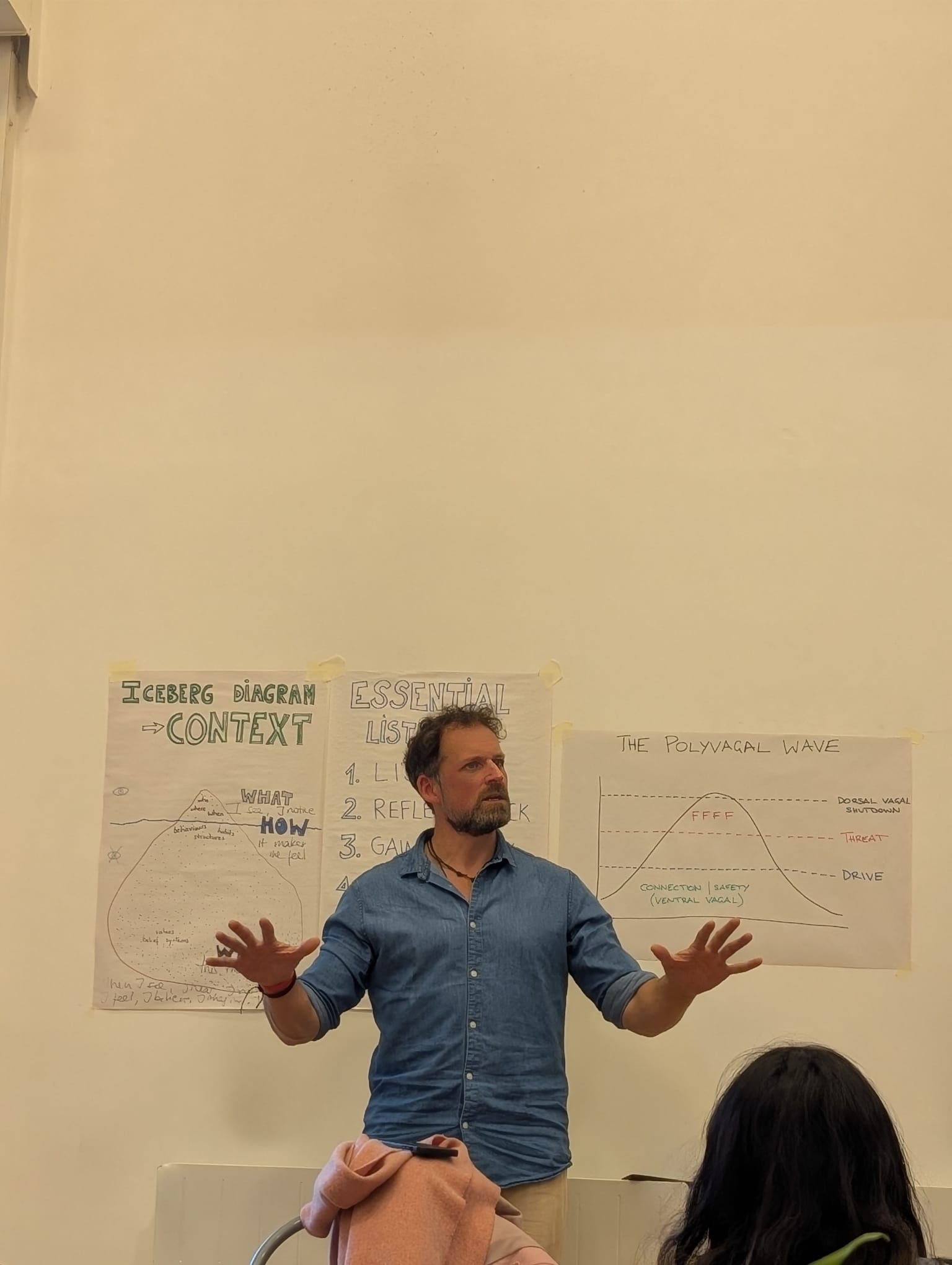
Chronic pain is more than just a lingering ache. It is deeply rooted in the complex web of your nervous system. Let’s explore how understanding this relationship is the first step toward managing pain effectively.
Understanding Chronic Pain
Chronic pain isn’t just about the discomfort you feel; it’s about how your nervous system interprets those signals. Imagine your nervous system as a sophisticated alarm system. When functioning correctly, it alerts you to potential harm. But sometimes, this system becomes too sensitive, interpreting even harmless signals as threats. Most people think pain directly correlates with injury, but it’s often your nervous system overreacting. Did you know that your brain can amplify pain signals, making your discomfort feel worse than it is? This exaggerated response is a major hurdle in pain management.
How the Nervous System Affects Healing
Your body’s ability to heal hinges on the delicate balance of your nervous system. When your nervous system is on high alert, it can hinder recovery. For example, constant stress can keep your body in a fight-or-flight mode, slowing down healing processes. Here’s the key insight: calming your nervous system can significantly speed up recovery. By addressing the root cause of this imbalance, you allow your body to repair itself more effectively. Studies show that reducing nervous system sensitivity can lessen pain perception and enhance healing.
Holistic Healing for Pain Management

Integrating a holistic approach is crucial for effective pain management. By addressing both physical and emotional aspects, you empower yourself to manage pain better and enhance overall well-being.
Integrating Mind and Body
Your mind and body are interconnected, and their harmony is vital for managing chronic pain. Engaging in practices that promote relaxation, such as meditation or yoga, can help. These techniques send calming signals to your brain, reducing the perceived threat of pain. By incorporating these practices, you take an active role in your healing. Remember, small, consistent actions can make a big difference. Consider this: by dedicating just ten minutes a day to relaxation exercises, you can start to retrain your brain’s response to pain.
Physiotherapy and Emotional Support
Physiotherapy offers more than physical relief; it provides emotional support crucial for healing. A physiotherapist guides you through personalized exercises that not only strengthen your body but also instill confidence. This dual approach helps to ease both physical discomfort and emotional stress. Emotional support is equally important. Talking with a trained professional can help you navigate the emotional challenges of chronic pain. Feeling supported and understood can significantly impact your healing journey.
Steps to Begin Your Healing Journey

Starting your healing journey requires a proactive approach. By creating a personalized plan and cultivating a supportive environment, you set the foundation for effective recovery.
Creating a Personalized Plan
Tailoring a plan to your unique needs enhances the likelihood of success. Begin by identifying specific goals, such as reducing pain intensity or increasing mobility. Working with professionals, like physiotherapists, ensures your plan is both realistic and effective. Here’s the key: consistency is crucial. Stick to your plan, and adjust as needed based on your progress. Remember, healing is a journey, not a sprint.
Importance of a Supportive Environment
A supportive environment plays a critical role in your recovery. Surround yourself with people who understand your challenges and encourage your progress. This support can come from friends, family, or support groups. Creating a positive atmosphere at home can also help. Simple changes, like adding soothing music or soft lighting, can promote relaxation and reduce stress. The longer you wait to establish this environment, the more challenging your journey becomes. Consider reaching out to local support groups or online communities to connect with others on similar paths.
🌟
By understanding the intricate role of your nervous system in chronic pain and embracing a holistic approach, you empower yourself to manage pain more effectively. Remember, it’s about taking small, consistent steps toward healing. Your journey is unique, and with the right support and strategies, you can move beyond pain to a life of vitality and strength.