The Science Behind Graded Exposure: Building Movement Confidence Without Flare-Ups
Most people with chronic pain avoid certain movements, fearing flare-ups that set recovery back. This fear can trap you in a cycle of hesitation and pain. Graded exposure offers a gentle path to build movement confidence—step by step, without pushing too hard or risking setbacks. In this post, you’ll learn how this approach shapes pain management and supports injury recovery through proven physiotherapy benefits. Learn more.
Understanding Graded Exposure

Graded exposure is a term you might not have heard before, yet it holds the key to breaking free from the constraints of pain. Let’s delve into what this method entails and how it benefits your body and mind.
What is Graded Exposure?
Imagine building a house. You don’t start with the roof; you begin with a solid foundation. Graded exposure follows a similar principle. It involves gradually introducing movements that you might fear or avoid due to pain. This step-by-step approach helps your body adjust without overwhelming it. You start with simple, low-intensity movements and slowly increase the challenge as your confidence grows. This method is not about pushing through pain but teaching your body that movement is safe and manageable.
By addressing the fear of movement directly, graded exposure retrains your nervous system to respond better to physical activities. It’s like teaching your brain that movement isn’t the enemy, but an ally. Explore more about its benefits.
Physiotherapy Benefits Explained
The benefits of graded exposure in physiotherapy are immense. Firstly, it allows you to experience movement in a controlled, safe environment, reducing the risk of setbacks. This approach is backed by evidence showing that gradual exposure can lessen the intensity of pain signals sent to your brain.
Moreover, graded exposure aids in enhancing muscle strength and joint flexibility, crucial elements for injury recovery. A study in the Journal of Pain Research highlights how it can also improve your mental outlook by reducing the anxiety associated with movement. As your body adapts, you’ll find that activities you once avoided become less daunting and more manageable.
This method ensures you’re not just treating symptoms but building a foundation for lasting recovery and resilience.
Building Movement Confidence
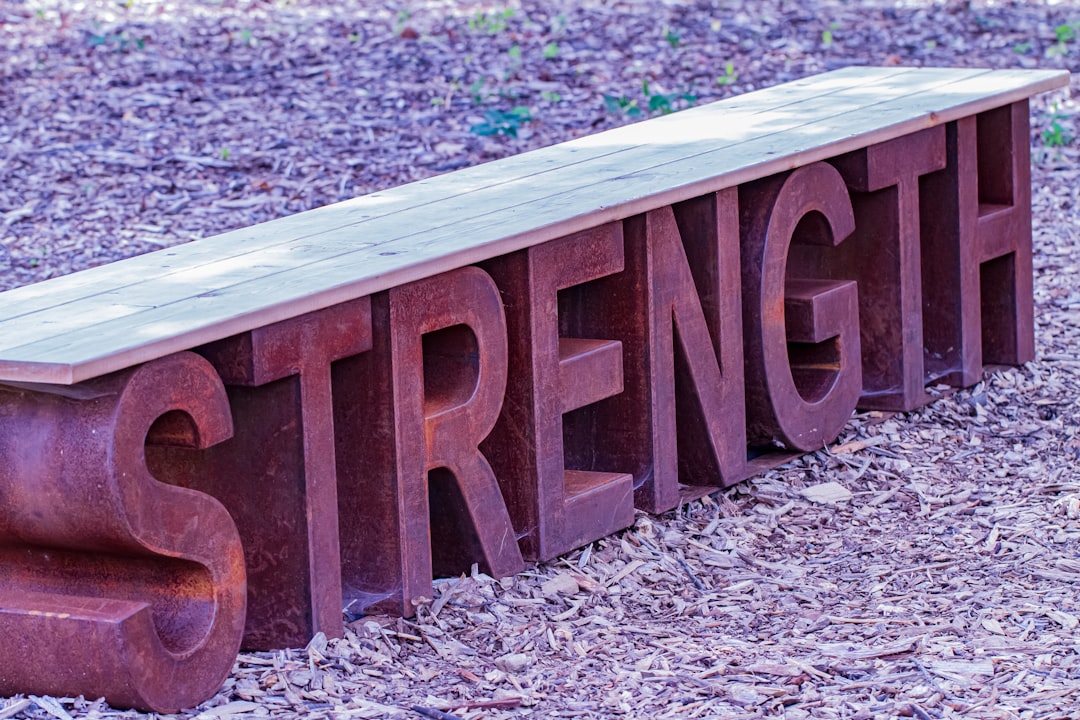
Transitioning from merely understanding graded exposure to actively building movement confidence can transform your recovery journey. Let’s explore how overcoming fear and employing the right strategies can reshape your relationship with movement.
Overcoming Fear of Movement
Do you ever hesitate before reaching for something, fearing that familiar twinge of pain? You’re not alone. Fear is a natural response, but it shouldn’t dictate your actions. Graded exposure is here to change that narrative.
Starting small is key. Picture yourself lifting a light weight, like a book. As you repeat this action without pain, your confidence increases. This gradual progression helps rewire your brain’s response to fear-inducing activities. Discover more about overcoming movement fear.
Incorporate breathing techniques and mindfulness to stay present. These tools can help calm your nervous system, further reducing the fear associated with movement. Remember, the goal is to build trust with your body, not force it into submission.
Strategies for Injury Recovery
Injury recovery is not just about healing physically; it’s about fostering trust in your body again. Use these strategies to guide your journey:
-
Set Realistic Goals: Start with achievable milestones, like standing longer or walking a bit further.
-
Listen to Your Body: Pay attention to cues. If something feels off, adjust your activity.
-
Celebrate Small Wins: Acknowledge progress, no matter how minor. Each step forward is a victory.
These strategies are about empowering you to regain control over your body. Read more about effective recovery techniques.
Pain Management Without Flare-Ups

Avoiding flare-ups while managing pain is not just a dream—it’s an achievable reality. By understanding how to navigate pain signals and learning from others, you can maintain a life with minimal interruptions.
Avoiding Pain Flare-Ups
Life doesn’t have to revolve around pain flare-ups. With graded exposure, you can actively reduce their frequency and intensity. Begin by identifying activities that typically cause discomfort and break them into smaller, manageable parts. This way, you teach your body to handle them without triggering pain.
Stay Consistent: Consistency is crucial. Regular practice helps your body adapt more efficiently. The longer you wait, the harder it might be to break the cycle.
Adapt Your Environment: Make small changes at home or work that encourage movement and comfort. Whether it’s a better chair or a reminder to stretch, these adjustments help in managing pain.
Success Stories and Testimonials
Hearing how others have conquered their pain can be incredibly motivating. Take Sarah, for instance. She struggled with chronic back pain for years, feeling trapped by her limitations. Through graded exposure, she began with five-minute walks and slowly increased her activity. Today, she enjoys hiking—something she once thought impossible.
Insights from Sarah’s Journey:
-
Small steps lead to big results.
-
Consistent practice builds confidence.
-
Embrace each achievement, no matter how small.
Such stories remind us that transformation is possible. You are not alone, and with the right approach, you can reclaim your life from pain.
In summary, graded exposure offers a powerful way to rebuild movement confidence and manage pain effectively. By taking small, consistent steps, you can teach your body that movement is safe, ultimately leading to a healthier, more active life. Embrace this journey and witness how it transforms your relationship with pain and recovery.