From Setback to Strong: Rebuild Your Movement Confidence After Injury or Flare-Ups
Injury and flare-ups often leave more than just physical marks—they shake your trust in your own body. That fear of movement, or kinesiophobia, can hold you back from returning to sport, dance, or daily life. This guide will help you rebuild movement confidence through practical, evidence-based steps designed to ease that fear and restore your strength with a holistic approach. Ready to take the first step toward feeling strong again? Find out more here.
Understanding Movement Confidence
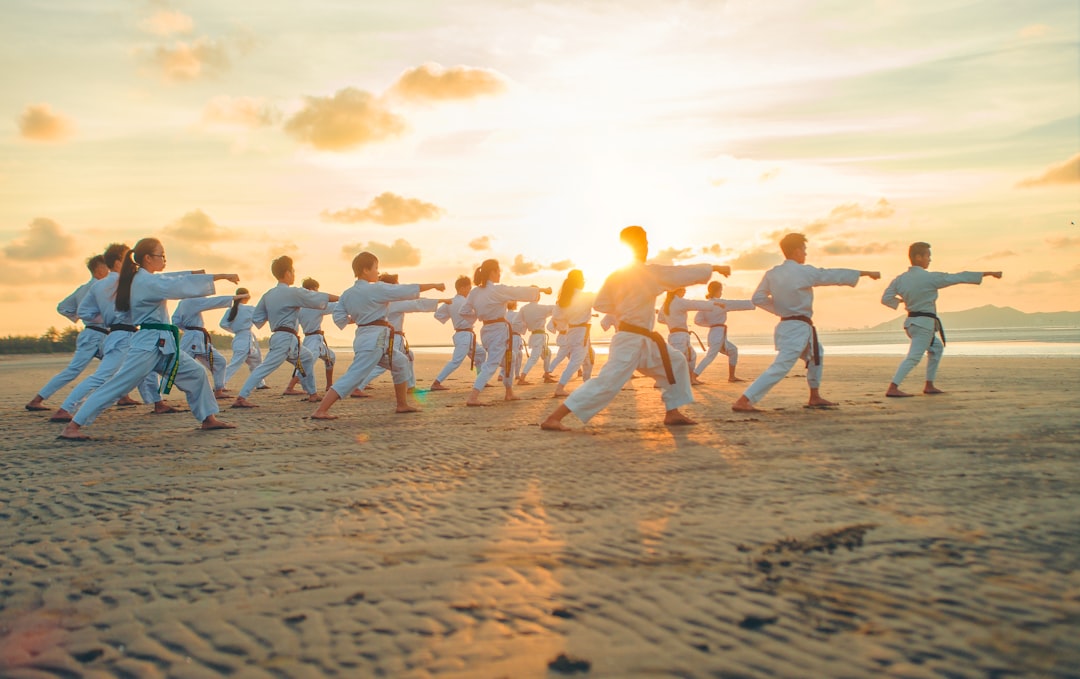
To regain movement confidence, it’s essential to understand what it means and why it matters. This section will explore the fear and barriers that often accompany injuries.
Fear of Movement and Kinesiophobia
Kinesiophobia can be a major roadblock. You might worry that moving will cause more harm. This fear often stems from past experiences with pain. Feeling vulnerable is natural, but it shouldn’t stop you. Facing this fear gradually can help you regain trust in your body.
A common misconception is that pain means damage. Instead, view it as your body’s alarm system. It’s overreacting, not signaling harm. Understanding this can reduce fear and encourage movement, which is vital for recovery.
Impact of Injury on Confidence
When you’re injured, it’s not just your body that suffers. Your confidence takes a hit too. Suddenly, activities you loved seem daunting. This loss of confidence can prevent you from returning to sports or dance.
It’s crucial to acknowledge this emotional impact. Recognizing that confidence can be rebuilt is the first step. You might doubt your ability, but small successes will slowly restore your belief in yourself.
Psychological Barriers to Recovery
Psychological barriers can be as challenging as physical ones. Doubts and fears linger long after physical healing. Worrying about re-injury can become a mental block.
But remember, these barriers aren’t permanent. With the right strategies, you can overcome them. The journey isn’t just about healing muscles or bones. It’s about reshaping your mindset and rebuilding confidence.
Steps to Rebuild Confidence
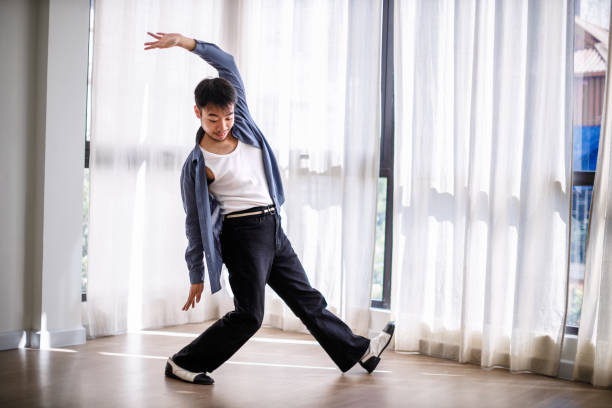
Rebuilding confidence requires a strategic approach. Here are practical steps to guide you through this process.
Graded Exposure Techniques
Graded exposure is your ally. It involves slowly increasing your activity level. Start with what feels safe and gradually challenge yourself more. For example, if you’re returning to dance, begin with simple movements. As you grow more comfortable, increase the complexity.
This method helps you confront fear in manageable chunks. It challenges the belief that movement is dangerous. Each step forward is a victory, boosting your confidence.
Strength and Mobility Retraining
Regaining strength and mobility is crucial. After an injury, your muscles may weaken. Retraining them restores function and reduces pain. Start with basic exercises, focusing on areas that support your daily activities.
As your strength returns, you’ll notice improvements in your movement confidence. This progress reinforces the idea that you can trust your body again. It’s a reminder that you’re capable of more than you think.
Role of Pain Neuroscience Education
Understanding pain helps reduce its impact. Pain neuroscience education teaches you about how pain works. Knowing that pain doesn’t always mean damage can be empowering.
This knowledge helps reframe your relationship with pain. Instead of fearing it, you see it as part of the healing process. It makes you more resilient and ready to tackle challenges head-on.
Holistic Recovery Strategies
A holistic approach is key to lasting recovery. These strategies address both physical and emotional aspects of healing.
Pacing and Relapse Prevention
Pacing ensures you don’t overdo it. It’s about balancing activity and rest. This approach reduces the risk of flare-ups. Recognize your limits and respect them. Gradually increase your activity to build endurance without overloading your system.
Relapse prevention involves staying mindful of triggers. Awareness helps you avoid setbacks and maintain progress. This strategy keeps you moving forward steadily.
Breathwork and Nervous System Regulation
Breathwork is a powerful tool. It calms your nervous system, reducing stress and tension. Simple breathing exercises can make a big difference. Practice deep breathing daily to keep anxiety in check.
Regulating your nervous system aids recovery. It helps you stay calm and focused, even when challenges arise. This balance supports both physical and mental healing.
Benefits of Pain Coaching and Physiotherapy
Pain coaching provides personalized strategies. It helps you understand and manage pain effectively. Physiotherapy, on the other hand, offers expert guidance on physical recovery.
Both services are invaluable for holistic healing. They address your unique needs, ensuring a comprehensive recovery plan. Together, they empower you to move beyond pain and embrace life with confidence.
Reflecting on these strategies, it’s clear that recovery is a journey. It requires patience and persistence. But with the right support and mindset, you can rebuild your movement confidence and return to the activities you love. Remember, every step forward is a step toward strength and freedom.