Move to Heal: Lifestyle and Movement Therapies that Enhance Physiotherapy Outcomes and Reduce Pain
Pain can linger long after an injury seems to heal, leaving you stuck and searching for answers. Traditional physiotherapy helps, but combining it with lifestyle medicine and movement therapy can bring lasting relief and rebuild your strength. This post will show you how holistic physiotherapy uses tools like mindful movement, sleep and stress management, and pain coaching to reduce pain and get you moving with confidence again. Learn more about the benefits of these approaches here.
Lifestyle Medicine for Pain Relief

Bridging the gap between healing and daily life is key. By integrating lifestyle changes, you can find relief and resilience.
Sleep and Pain Connection
Sleep is more than rest; it’s a powerful ally against pain. Poor sleep can make pain worse. When you sleep well, your body repairs itself. This is crucial for managing chronic pain. Ever noticed how everything feels harder after a bad night’s sleep? It’s because lack of sleep amplifies pain signals.
To improve sleep:
-
Set a regular bedtime.
-
Create a calming pre-sleep routine.
-
Avoid screens an hour before bed.
Research shows that even minor sleep improvements can help reduce pain. A study found that people who improved their sleep by just 5% felt less pain the next day.
Stress and Pain Management Techniques
Stress can be a sneaky pain amplifier. When you’re stressed, your muscles tense, and your body feels pain more intensely. Reducing stress can directly decrease pain. Techniques like meditation, gentle yoga, or even a simple walk can help.
Consider this: a brief daily walk can lower stress levels significantly. When you feel stress creeping in, take five deep breaths, or step outside for fresh air. These small actions interrupt stress and help your body relax.
Breathwork for Pain Control
Breathwork is more than deep breathing; it’s a tool for pain management. Proper breathing can calm your nervous system and reduce pain perception. Have you ever noticed how a deep breath during a moment of panic can bring instant relief? That’s the power of breathwork.
Try this: Breathe in slowly for 4 seconds, hold for 4, and then exhale for 6. Repeat this cycle a few times. This method not only calms your mind but also helps manage pain by shifting your focus.
Movement Therapies in Physiotherapy
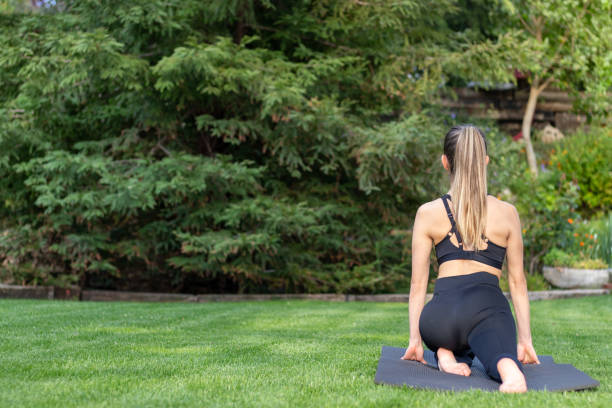
Movement is medicine. By incorporating targeted movement therapies, you can enhance your recovery process.
Strength and Mobility Training
Building strength isn’t just for athletes. It’s essential for everyone dealing with pain. When you build strength, you support your body better, reducing pain. Think of it as fortifying your body’s structure. Start with simple movements, like squats or light resistance exercises.
Focus on what you can do without pain. Over time, gradually increase the intensity. This approach, known as graded exposure, helps your body adapt and grow stronger, reducing pain.
Mindful Movement Therapy
Mindful movement connects your mind and body. By focusing on how you move, you become more aware of tensions and imbalances. Practices like Pilates or tai chi are excellent for this.
Imagine moving with ease and confidence. Mindful movement can help you achieve that. Start by paying attention to how your body feels during movement. This awareness can guide you to make adjustments, leading to less pain and more fluid motion.
Graded Exposure Therapy
Overcoming pain often means facing what hurts. Graded exposure helps you do this safely. By gradually increasing exposure to a movement, your body learns it’s safe, reducing fear and pain.
Begin with small, manageable steps. For example, if bending causes discomfort, start with gentle movements that mimic bending. Over time, increase the intensity as your confidence grows. This method builds trust in your body’s abilities, decreasing pain.
Integrated Approach to Recovery

Combining different strategies provides a comprehensive path to healing and strength.
Biopsychosocial Approach Explained
Pain isn’t just physical; it’s influenced by emotions and social factors too. The biopsychosocial approach addresses this complexity. It involves understanding how thoughts, emotions, and environment impact pain.
This approach empowers you to manage pain better. By considering all aspects of your life, you can identify triggers and find effective solutions. It’s a holistic way to tackle pain, offering more personalized care.
Personalized Return to Sport Plan
Returning to sport or activity post-injury requires a tailored plan. A personalized approach ensures you regain strength safely. This plan will consider your unique needs, goals, and current abilities.
Work with professionals to develop this plan. They’ll guide you through exercises and milestones, ensuring you’re ready to perform at your best without risking further injury.
Virtual Physiotherapy Benefits
Access to care shouldn’t be limited by location. Virtual physiotherapy offers flexibility and convenience. It’s effective in providing guidance and support, allowing you to stay on track with your recovery.
Imagine having expert advice at your fingertips. Virtual sessions can be as interactive and beneficial as in-person ones. They keep you connected with professionals who can adjust your plan as needed, ensuring continuous progress.
By integrating these strategies, you can move beyond pain toward a life of strength and vitality. Remember, each step you take brings you closer to a pain-free life.