Heal, Move, Thrive: 9 Lifestyle Habits That Support Your Body’s Natural Recovery
Pain that won’t quit can feel like a life sentence. You’ve tried quick fixes, but lasting relief stays out of reach. At Life Beyond Pain, holistic physiotherapy blends physical care with lifestyle medicine to help your body heal naturally. Let’s explore nine habits that support real recovery and resilience, so you can regain control and move with confidence. [https://healingworksfoundation.org/7-healthy-habits-to-treat-yourself-with/]
Sure, here’s a structured blog post following your guidelines:
Heal with Holistic Practices
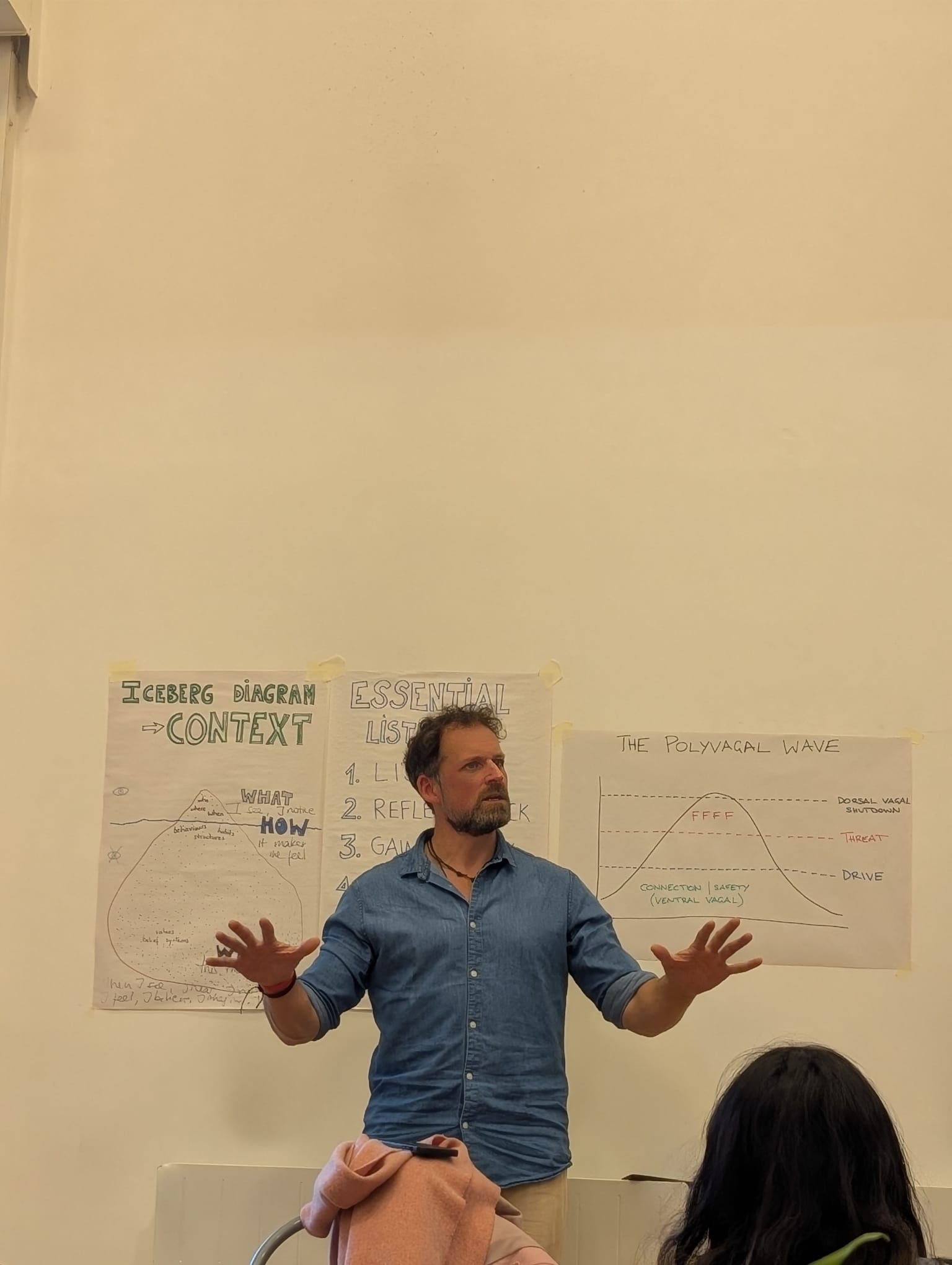
Holistic practices focus on the whole you, not just the symptoms. They help your body and mind heal together, laying the foundation for long-term wellness.
Benefits of Holistic Physiotherapy
Imagine feeling supported in every step of your recovery journey. With holistic physiotherapy, that’s exactly what you get. It combines physical therapy with lifestyle changes to address the root of your pain. This approach helps you understand why certain movements hurt and how to ease those pains. For example, many find relief through personalized exercises that target specific issues. With time, these exercises can improve your mobility and reduce discomfort. The key takeaway? Holistic physiotherapy isn’t just about exercises; it’s about empowering you to take control of your health.
The Role of Pain Coaching
Pain coaching offers guidance tailored to your experiences. It provides strategies to manage pain and helps you understand your body better. Coaches work closely with you, teaching skills to cope with daily challenges. They focus on changing your relationship with pain, making it less of a burden. A coach helps by asking the right questions and offering insights that make you think differently about your pain. Here’s the key insight: Pain coaching shifts your focus from suffering to managing, giving you the tools to feel more in control.
Mind-Body Approach to Pain
A mind-body approach connects physical sensations to thoughts and emotions. It’s about recognizing how stress or anxiety might worsen pain. Techniques like mindfulness or meditation can calm your nervous system, reducing pain signals. This approach encourages you to listen to your body and respond with kindness. Did you know? Research shows that a calm mind can significantly lower pain levels. Here’s what most people overlook: Understanding this connection can transform how you experience and manage pain.
Move with Intention
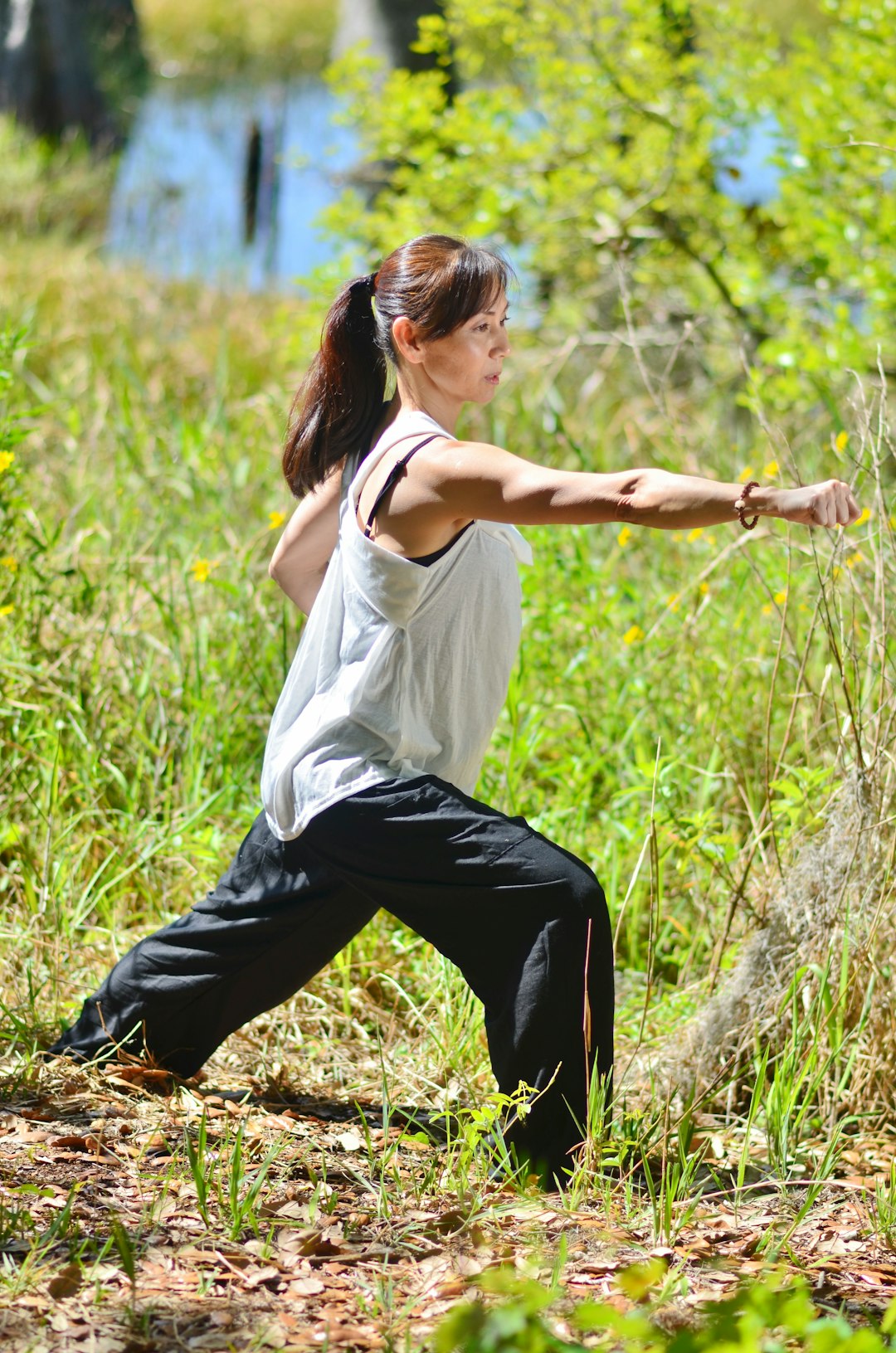
Movement is more than just exercise; it’s a pathway to healing. When done with intention, it can strengthen your body and ease pain.
Mobility and Strength Training
Strength and mobility are the cornerstones of a resilient body. Through targeted exercises, you can improve your range of motion and build strength. This training is not about lifting heavy weights but moving in ways that feel good and safe. Think of it as a way to teach your body balance and stability. Here’s an example: Many athletes use specific drills to gradually regain full movement after an injury. Over time, these drills help rebuild confidence and strength. Your takeaway? Consistent, mindful movement leads to lasting change.
Breathwork for Pain Management
Breathwork is a simple yet powerful tool. It helps regulate your nervous system and ease pain. By focusing on your breath, you can calm your mind and reduce tension in your body. Try this: Take a deep breath in, hold it for a moment, then exhale slowly. Repeat a few times. Notice how your body feels. This practice can be your go-to technique when pain flares up. Remember, your breath is always with you, ready to help ease discomfort.
Pacing and Graded Exposure
Pacing helps you manage your energy and avoid overexertion. It means you listen to your body, resting when needed and gradually increasing activity. Graded exposure involves slowly introducing movements that might have been painful before. This method builds confidence and resilience. Here’s a surprising truth: Rushing recovery often leads to setbacks, but pacing ensures steady progress. The more you practice, the more capable you become.
Thrive with Lifestyle Medicine

Healing doesn’t stop with movement; it extends into daily habits. Lifestyle medicine supports your overall well-being, creating an environment for healing.
Sleep and Recovery Strategies
Sleep is your body’s natural healer. Quality rest repairs tissues, balances hormones, and reduces stress. To improve sleep, create a calming bedtime routine. Limit screen time and enjoy a warm bath or read a book. Small changes can lead to better sleep patterns. Here’s an interesting fact: Consistent sleep enhances recovery and boosts mood. Prioritize sleep, and your body will thank you.
Anti-Inflammatory Nutrition
What you eat can impact pain and inflammation. Anti-inflammatory foods support healing and reduce discomfort. Consider adding colorful fruits, leafy greens, and omega-3-rich foods to your meals. Avoid processed foods, as they can increase inflammation. Think of each meal as an opportunity to nourish your body. Fun fact: Eating a variety of whole foods can lower pain levels and improve overall health. Your diet is a powerful tool in your recovery arsenal.
Stress Reduction Techniques
Stress can intensify pain, making it harder to manage. Techniques like meditation, yoga, or tai chi help lower stress levels. They teach you to be present, reducing anxiety and tension. Here’s a quick exercise: Close your eyes and take three deep breaths, focusing only on the movement of your breath. Notice how stress begins to melt away. Here’s the takeaway: Incorporating stress reduction into your routine supports both mental and physical health.
By embracing these habits, you pave the way for a life beyond pain. Remember, healing is a journey, and every small step counts. Life Beyond Pain is here to support you with expert guidance and compassionate care. Your path to recovery starts now—take it one day at a time.