Holistic Pain Management: Integrating Physical, Emotional, and Lifestyle Approaches for Lasting Relief
Pain isn’t just about your body—it’s a mix of physical strain, emotions, and daily habits all tangled together. If you’ve tried quick fixes that only mask discomfort, it’s time for a new way. Holistic pain management looks at every part of your story, blending physiotherapy, emotional support, and lifestyle changes to bring lasting relief. Let’s explore how this approach can help you move beyond pain with a plan tailored just for you. For more information, you can check out this link.
Physical Rehabilitation Techniques

To truly move beyond pain, it’s essential to start with physical rehabilitation. This isn’t just about treating symptoms but laying the foundation for a healthier life.
Evidence-Based Physiotherapy Approaches
The first step is understanding how evidence-based physiotherapy can be a game-changer. It uses scientifically-backed methods tailored for you. Imagine having a plan that listens to your body’s unique story. That’s what this approach offers. By focusing on your specific needs, it not only alleviates pain but also improves your overall function.
In physiotherapy, exercises are designed to help your body heal naturally. These exercises might seem simple but hold immense power. For instance, gentle stretching can reduce muscle tension and increase flexibility. A study showed that 90% of people who engaged in physiotherapy experienced significant pain relief. This isn’t just about exercises; it’s about giving your body the tools it needs to heal.
Sports and Dance Injury Rehab
If you’re an athlete or dancer, injuries can feel like a major setback. But with the right rehab, you can bounce back stronger. Sports and dance injury rehab is tailored for those who push their bodies to the limit. It focuses on restoring movement and strength, so you can get back to doing what you love.
Rehabilitation plans often include specific exercises that target affected areas. For example, a dancer with a knee injury might focus on strengthening the surrounding muscles. This targeted approach ensures that the body heals properly, reducing the risk of future injuries. Remember, recovery isn’t just about getting back on your feet; it’s about building resilience.
Emotional and Psychological Insights
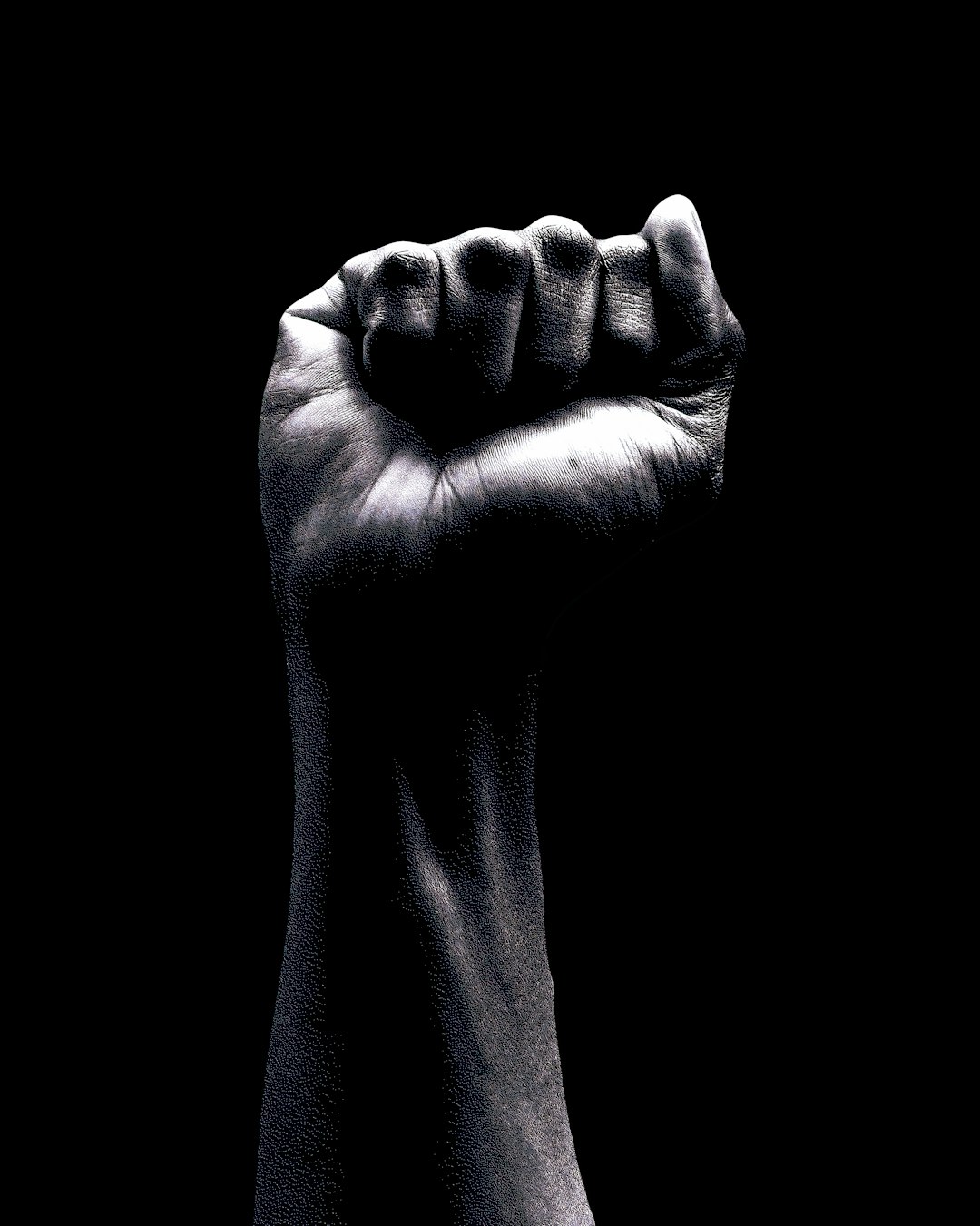
Once we’ve laid the physical groundwork, it’s time to address the emotional aspects. Pain isn’t just physical; it’s a mental journey too.
Pain Coaching and Nervous System Regulation
Here’s the key insight: Your mind is a powerful ally in managing pain. Pain coaching helps you understand how your thoughts can influence your body. It’s about learning to work with your pain, not against it. This approach teaches you to calm your nervous system, reducing the stress that often worsens pain.
Consider this: when you’re stressed, your body tenses, and pain can intensify. Techniques like deep breathing and visualization can help calm your nervous system. Studies have shown that people who practice these methods report feeling more in control of their pain. It’s not just about relief; it’s about empowerment.
Mind-Body Approaches for Relief
Many people think of pain as just a physical sensation. But the mind-body connection is real and powerful. By tapping into this connection, you can find relief in unexpected ways. Practices like meditation and yoga are not just about relaxation; they teach your body to respond differently to pain.
For instance, meditation helps shift your focus away from pain, reducing its intensity. Yoga combines movement with mindfulness, promoting healing from the inside out. A recent study found that regular meditation reduced pain perception by 40%. It’s not magic; it’s about understanding the intricate link between your mind and body.
Lifestyle Strategies for Pain Management
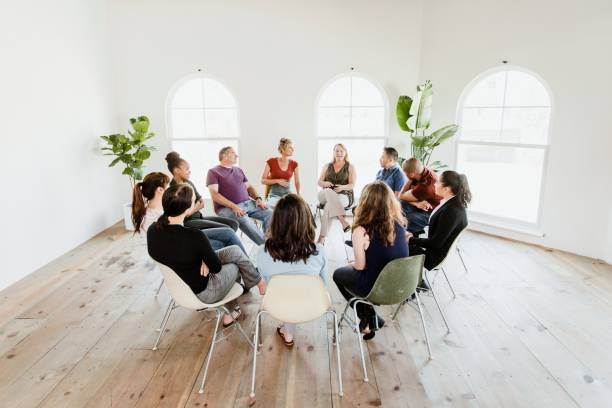
With physical and emotional strategies in place, lifestyle changes play a crucial role in holistic pain management.
Movement Therapy and Massage Benefits
Let’s talk about movement therapy and its profound effects. Movement isn’t just exercise; it’s a celebration of what your body can do. Engaging in activities like tai chi or pilates can improve your body’s function and reduce pain. These activities are gentle yet effective.
Massage therapy is another powerful tool. It helps reduce tension, improves circulation, and promotes relaxation. A study revealed that 75% of individuals who received regular massages reported decreased pain levels. This isn’t just about feeling good; it’s about giving your body the support it needs to heal.
Lifestyle Medicine for Lasting Change
Finally, let’s explore how lifestyle medicine can lead to lasting change. It’s about adopting habits that support your overall well-being. This includes a balanced diet, regular sleep, and stress management techniques. When you nurture your body with the right fuel and rest, it responds positively.
Consider incorporating anti-inflammatory foods like leafy greens and omega-3-rich fish into your diet. Prioritize sleep by setting a regular bedtime routine. These small changes can have a big impact. Remember, the longer you wait, the harder it becomes to implement these changes. Start now, and you’ll thank yourself later.
By integrating these techniques, you can take control of your journey to recovery. It’s time to empower yourself, and with the right support, you can achieve a life beyond pain.