Move Smarter, Heal Stronger: Why Safe Pacing Is the Key to Lasting Injury Recovery
Most injury recoveries stall because movement feels risky. You push too hard, then pay for it with painful flare-ups that set you back weeks. Movement pacing changes that by guiding safe progression, helping your nervous system stay calm while you rebuild strength. In this post, you’ll learn how pacing strategies can protect your progress and keep you moving forward with confidence. For more insights on why movement is crucial for recovery, visit this article.
The Science of Movement Pacing

Movement pacing is not just about moving but moving wisely. It ensures your body gains strength without causing setbacks. It involves understanding how to build resilience while being kind to your muscles and nerves.
Understanding Movement Pacing
You might wonder why movement pacing matters so much. Consider how a careful approach to activity can prevent those dreaded flare-ups. Your body needs time to adjust and build tolerance gradually. Instead of rushing, you focus on what your body can handle today. Over time, this approach builds a foundation of strength that supports long-term recovery. This resource explains how movement can be a powerful tool in rehabilitation.
Benefits of Graded Exposure
Graded exposure is a structured way to ease into activities. It allows you to start small and grow your capabilities gradually. Think of it as teaching your body to trust movement again. Each step forward builds assurance that you are safe and capable. Most people believe more is better, but in recovery, less can be more effective. This method helps you reclaim your activities without overwhelming your body. Need more insight on this strategy? Check out this article.
Role in Nervous System Regulation
Your nervous system plays a crucial role in how you perceive pain. With movement pacing, you send calming signals to your brain. Each gentle movement tells your brain that it’s okay to relax. Over time, this retrains your system to react less defensively. The longer you wait to implement these strategies, the more challenging it becomes to reverse patterns of pain. By focusing on this regulation, you’re not just moving better; you’re feeling better.
Strategies for Safe Progression

Shifting focus to practical steps can make your recovery journey smoother. Let’s explore some strategies that ensure you progress without setbacks.
Pacing Strategies for Injury Recovery
Pacing strategies are your roadmap to healing. Start by identifying activities you can do without pain. This might be a short walk or a few stretches. Every success, no matter how small, is a victory. Gradually add more as your body adapts. Remember, it’s not a race. Slow and steady wins your recovery race. Here’s the key insight: consistent, mindful movement is your ally in healing.
Load Management for Flare-Up Prevention
Avoiding flare-ups is crucial. Load management is about balancing activity with rest. Imagine it as a see-saw: too much weight on one side can throw you off balance. Monitor your activities and adjust them to prevent overloading your system. This balance ensures that your progress is steady and sustainable. Missteps can happen, but they’re part of learning. Learn from them to prevent future missteps.
Activity Planning and Rehab Roadmap
Creating a rehab roadmap is like having a GPS for your recovery. Plan your activities and rest breaks. This structure keeps you on track and motivated. By planning, you ensure each step is purposeful. Make your roadmap flexible, allowing for adjustments as you improve. This approach fosters a sense of control and confidence in your journey. Want to see how planning can transform recovery? Read more.
Holistic Physiotherapy for Lasting Results
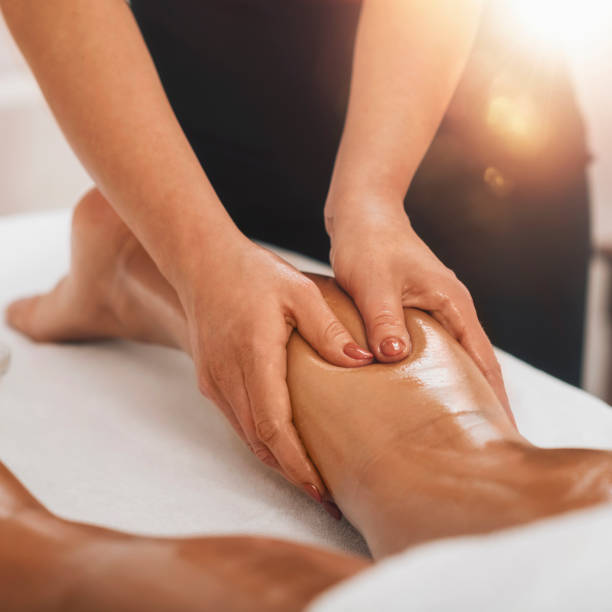
Physiotherapy isn’t just about the physical; it’s about mind and body working together. This synergy creates lasting change.
Integrating Pain Coaching and Physiotherapy
Pain coaching is a unique tool in physiotherapy. It helps you understand pain and provides strategies to manage it. Think of it as having a guide who helps you navigate the ups and downs of recovery. Together with physical therapy, it empowers you to face challenges with confidence. Most people overlook this aspect, but it’s a game-changer.
Tailored Plans for Dancer Rehabilitation
Dancers have specific rehabilitation needs. Tailored plans consider the unique demands of dance, ensuring recovery is aligned with performance goals. Every movement is carefully calibrated to restore confidence and skill. This approach not only heals but enhances performance. It’s about getting back on stage stronger. Discover how specialized rehab can make all the difference in your journey.
Virtual Physiotherapy and Remote Coaching Options
Virtual physiotherapy offers flexibility and accessibility. Whether you’re at home or traveling, expert guidance is just a click away. Remote coaching provides support and accountability, ensuring you stay on track. It’s a modern solution that adapts to your lifestyle, making it easier to commit to recovery. In an ever-connected world, this option bridges the gap between convenience and care.
In summary, movement pacing is your ally in recovery. By understanding and implementing these strategies, you’re setting the stage for sustainable healing. Embrace this approach to move beyond pain and reclaim your vitality. Let Life Beyond Pain guide you on this transformative journey.