Beyond the Ache: The Role of Emotional Health in Chronic Pain Management
Chronic pain isn’t just a physical struggle—it often hides emotional battles that go unseen. When stress, anxiety, and unresolved feelings build up, they can fuel your pain and slow your recovery. Understanding this mind body connection opens new doors to holistic physiotherapy that treats your whole self, not just symptoms. Let’s explore how caring for emotional health can reshape your pain management and bring you closer to lasting relief. Learn more about the role of mental health in pain management.
Understanding the Mind-Body Connection

Unraveling the connection between your mind and body can be a game-changer in how you manage persistent pain. By focusing on emotional health, you can uncover new ways to manage pain effectively.
Emotional Health and Chronic Pain
Your emotions play a crucial role in how you experience pain. When you’re feeling down or stressed, pain can feel more intense. It’s like your mind amplifies what’s happening in your body. Imagine having a tool that turns down the volume on pain by addressing emotional health. This is where understanding emotions becomes pivotal. By focusing on emotional wellness, you can significantly alleviate chronic pain. Research shows a direct link between emotional health and pain perception. Explore how managing emotions aids in pain management.
Stress and Pain’s Reciprocal Link
Do you ever notice how stress seems to make everything worse? That’s because stress and pain are interlinked. When stress levels rise, pain often follows suit. It’s like they’re in a dance, each affecting the other’s intensity. But here’s the good news: by managing stress, you can reduce pain. You can break this cycle by adopting stress-reducing strategies, which in turn, eases your pain. Meditation, yoga, and other relaxation techniques can help you manage stress effectively. Focus on finding a routine that keeps stress at bay.
Anxiety and Pain: Breaking the Cycle
Anxiety often partners with pain, creating a cycle that’s hard to break. The more you worry about pain, the more intense it can feel. It’s a vicious loop, but not an unbreakable one. Understanding this connection allows you to take control. Addressing anxiety through therapy or relaxation techniques can help diminish pain. Most people think they must accept pain as part of life, but anxiety management can dramatically alter pain perception. By tackling anxiety head-on, you can reduce its impact on your pain levels. Dive deeper into how mental health influences pain management.
Holistic Approaches to Pain Management
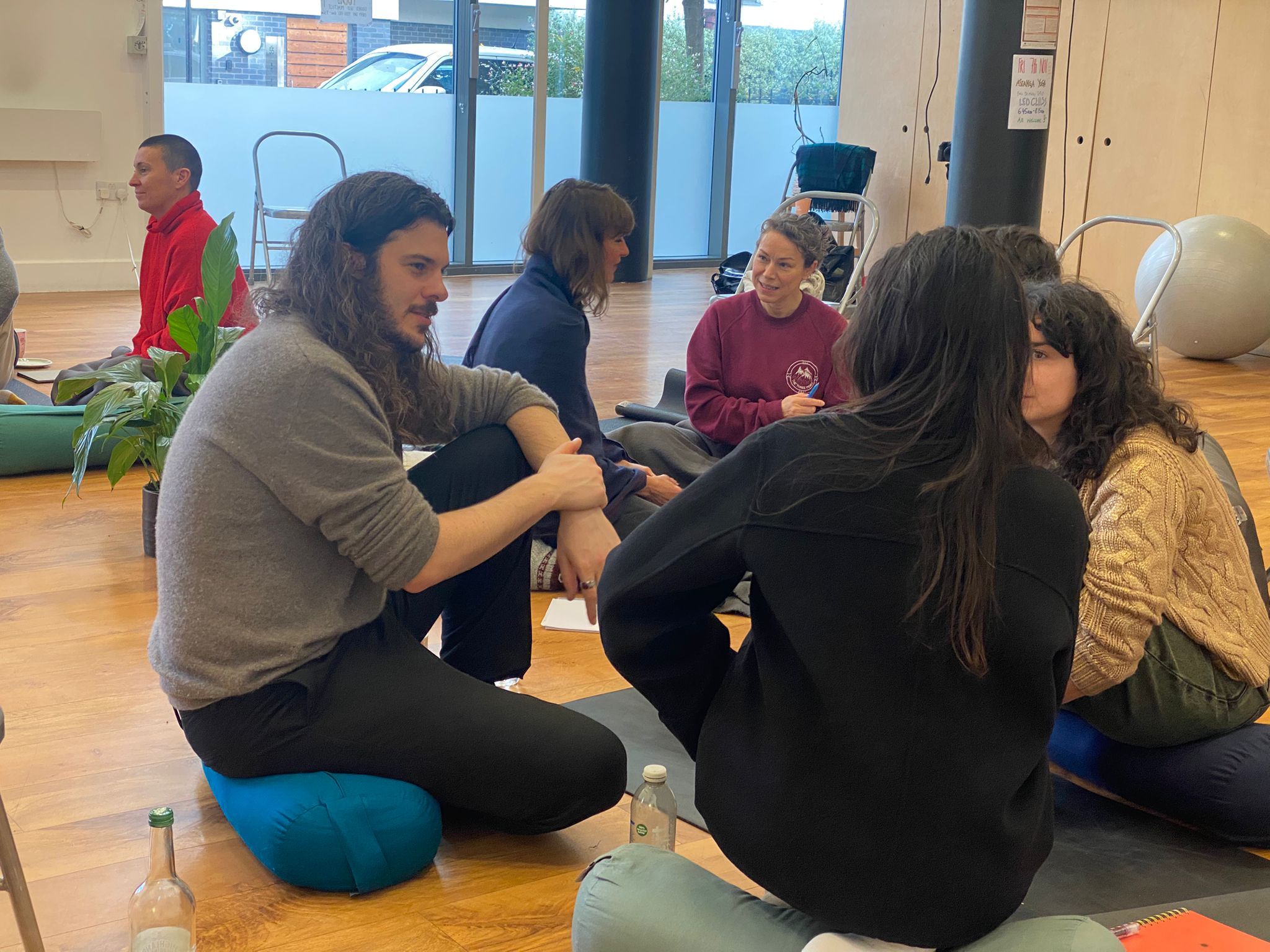
With a grasp on the mind-body link, the next step is incorporating this understanding into your pain management plan. Let’s look at how holistic approaches can lead to comprehensive healing.
Integrating Emotional Health in Physiotherapy
Integrating emotional health into physiotherapy means treating more than just your physical symptoms. It’s about understanding the emotional layers of your pain and addressing them. By doing this, you can achieve a more holistic healing process. Physiotherapy that considers emotional factors leads to better outcomes because it addresses the root causes of pain. This approach is like having a roadmap that guides you through all aspects of pain management. By focusing on emotional health, you can find more effective ways to manage persistent pain.
Techniques for Nervous System Regulation
Your nervous system plays a significant role in how you experience pain. By regulating it, you can reduce pain and improve overall well-being. Techniques like mindfulness and relaxation exercises can help calm your nervous system. Here’s the key insight: when your nervous system is balanced, pain perception decreases. Most people think pain is purely physical, but regulating your nervous system can dramatically change your experience. Try incorporating these techniques into your daily routine to see a shift in your pain levels.
Breathwork and Pacing Strategies
Breathwork is a simple yet powerful tool in pain management. By focusing on your breath, you can calm your mind and body, reducing pain perception. Pacing strategies, on the other hand, help you manage physical activity without overexertion. These techniques teach you to listen to your body and respond appropriately. When you practice breathwork regularly, you learn to manage pain more effectively. Here’s a tip: combine breathwork with pacing strategies for a comprehensive approach that tackles both physical and emotional aspects of pain.
Building Resilience through Rehabilitation

Rehabilitation isn’t just about recovering from injury—it’s about building resilience. By focusing on personal empowerment, you can enhance your recovery journey.
Personalized Pain Coaching and Self-Management
Imagine having a coach guiding you through your pain journey. Pain coaching provides personalized strategies to help you understand and manage pain. It’s about empowering you with tools and insights to take charge of your healing process. Self-management is a key component, as it puts you in control. Here’s the key takeaway: personalized coaching can transform your approach to pain, making you an active participant in your recovery.
Sleep and Pain: Enhancing Recovery
Sleep is crucial in pain management. When you don’t get enough rest, pain can feel worse. By improving sleep quality, you can enhance recovery and reduce pain levels. Focus on creating a sleep-friendly environment and establishing a bedtime routine. Most people underestimate the power of good sleep, but it’s essential for effective pain management. By prioritizing sleep, you support your body’s natural healing processes.
Trauma-Informed Care for Optimal Healing
Trauma-informed care recognizes the impact of past experiences on your current pain levels. By addressing trauma, you can achieve optimal healing. This approach considers your emotional history and its role in pain perception. It’s about creating a healing environment that acknowledges and respects your experiences. When you engage in trauma-informed care, you open the door to deeper healing and resilience. Learn more about the connection between chronic pain and mental health.
By integrating emotional health into your pain management plan, you unlock a path to lasting relief. Embrace the holistic approach and discover the power of treating your whole self, not just the symptoms.