From Pain to Possibility: How Emotional Awareness Transforms Chronic Pain and Recovery
Chronic pain often feels like a puzzle with missing pieces—especially when emotions are left out of the picture. What if your pain isn’t just physical but deeply connected to how you process feelings? At Life Beyond Pain, we focus on emotional awareness as a key to managing chronic pain and speeding recovery. You’ll learn how understanding your mind-body connection can change your approach and open new paths to lasting relief. For more insights on emotional awareness and pain management, check out this research article.
The Science of Emotional Awareness
Understanding the role of emotions in chronic pain can open unexpected doors to healing. Emotional awareness helps you grasp how feelings impact your physical state, leading to new ways of managing pain.
Understanding Chronic Pain and Emotions
Emotions and pain are tightly linked. When you’re aware of this, it can change how you face daily challenges. Imagine your body as a compass; emotions guide the needle. When stress hits, pain often follows. A study on veterans found that emotional awareness and expression therapy reduced their chronic pain significantly. This demonstrates just how powerful the mind-body connection can be.
How does this play out in real life? Suppose a dancer feels overwhelmed by the fear of re-injury. This anxiety might amplify their pain more than the injury itself. Becoming aware of and addressing such emotions can reduce this impact.
Mind Body Connection Explored
The mind-body connection isn’t just theory; it’s a practice that can shift your healing journey. Your thoughts and emotions can either heighten pain or soothe it. Think of your brain as a central command, deciding how to respond to various signals. When you feel anxious, your brain might interpret this as a threat, increasing pain levels.
Taking charge of this connection involves simple, everyday actions. Deep breathing, for instance, is a powerful tool. It signals safety to your brain, calming the nervous system and reducing pain. You might also explore mindfulness or gentle movement, each a step toward harnessing your mind-body connection for healing.
Nervous System Regulation Insights
Your nervous system plays a vital role in regulating pain. When stressed, your system goes into overdrive, amplifying discomfort. Learning to regulate your system is key to managing chronic pain. A calm nervous system perceives fewer threats, decreasing pain signals.
Consider this: A musician, dealing with performance anxiety, might find their pain magnified by stress. By practicing nervous system regulation techniques, like paced breathing or guided imagery, they can send calming signals to their brain. This reduces perceived threats and, thus, pain. If you wish to learn more about the role of emotions in chronic pain, explore this article.
Holistic Pain Management Techniques

Understanding emotional awareness is just the beginning. Holistic techniques integrate this knowledge with physical practices, providing a comprehensive approach to pain management.
Physiotherapy for Chronic Pain
Physiotherapy offers more than exercises; it’s about understanding your body. Through tailored programs, you learn to move confidently, despite pain. For example, a runner with knee pain might find new ways to strengthen surrounding muscles, reducing strain on the knee.
This approach involves more than physical movements. It incorporates education, helping you understand the root of your pain. With guidance, you can gradually increase activity levels, fostering recovery without fear of setbacks.
Pain Coaching Essentials
Pain coaching empowers you with strategies to navigate daily life. It’s about shifting your mindset toward possibilities rather than limitations. Coaches help you set achievable goals, transforming how you view your pain journey.
Imagine a musician with hand pain. Through coaching, they might set small goals, like playing shorter sessions, allowing rest periods in between. These steps build confidence, teaching that progress is possible, even with chronic pain.
Movement Therapy and Massage
Movement therapy and massage work together to ease tension and promote healing. They help release built-up stress in muscles, enhancing your body’s natural healing capacity. Picture a dancer after an intense performance. Massage therapy eases muscle tension, while movement therapy retrains their body to move efficiently.
Both therapies encourage relaxation, reducing the body’s stress response. This, in turn, helps lower pain levels. The combination of movement and massage cultivates a balanced approach to managing chronic pain. To dive deeper into this topic, take a look at this scientific article.
Personalized Recovery Plans
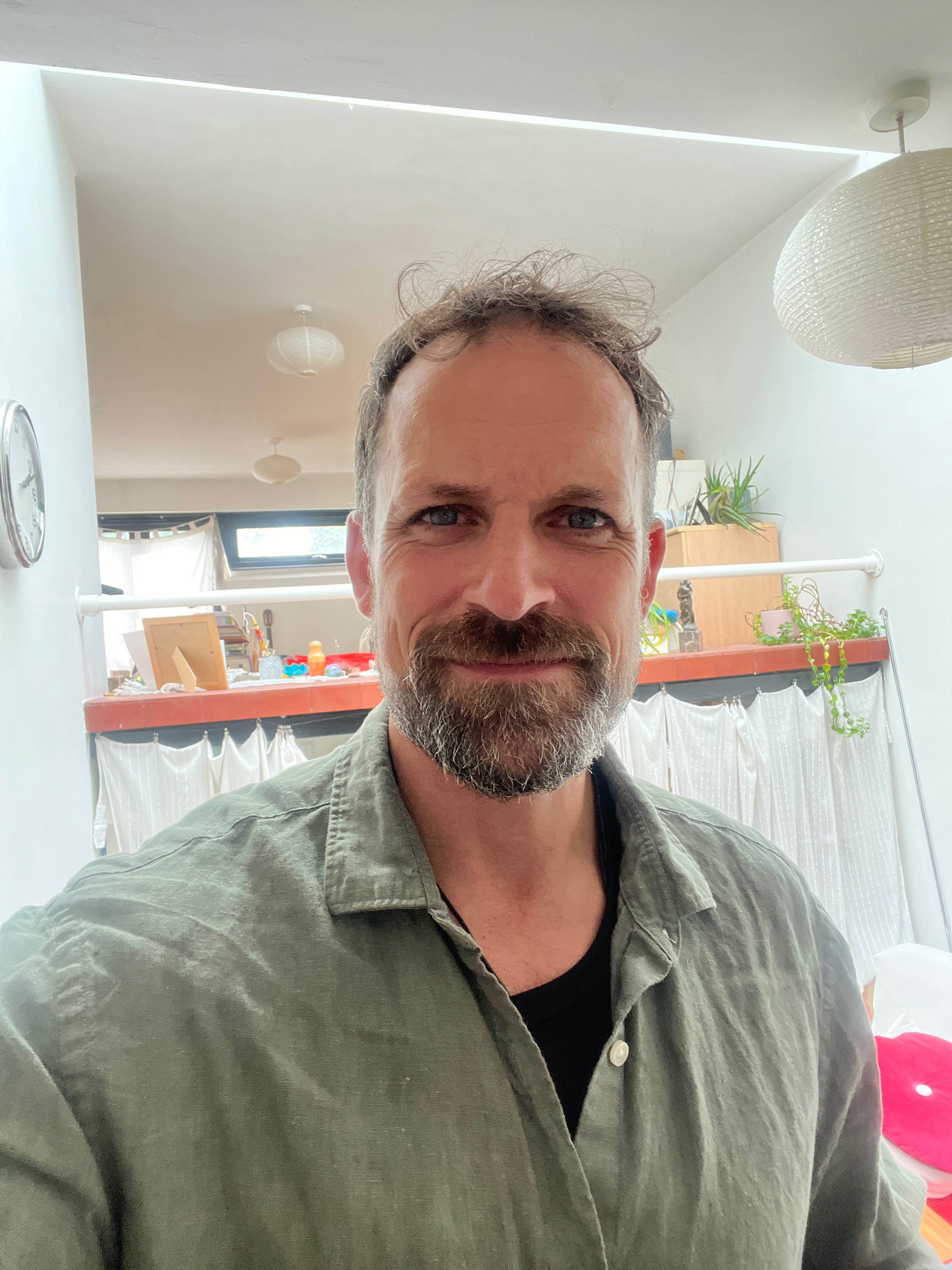
At Life Beyond Pain, we understand that each person’s path is unique. Our personalized recovery plans reflect this, offering a tailored approach to healing.
Benefits of The TLC Project
The TLC Project focuses on holistic care, combining physical and emotional strategies for recovery. It recognizes that healing isn’t one-size-fits-all. For example, an athlete might benefit from a program blending physiotherapy with stress management techniques, addressing both physical and emotional needs.
This project emphasizes creating a supportive environment. Whether it’s through group sessions or individual plans, the TLC Project aims to empower you, putting you in control of your healing journey.
Virtual Physiotherapy Options
Virtual physiotherapy brings expert guidance right to your home. This flexibility ensures consistent support, regardless of location. Imagine having a personalized session online, where your therapist guides you through exercises tailored to your needs.
This approach not only promotes convenience but also encourages ongoing commitment to recovery. Virtual sessions ensure you stay on track, receiving the same level of care as in-person visits. For more information on virtual therapy and its benefits, explore this source.
Creating a Tailored Path Forward
Creating a path forward means building a recovery plan that fits your life. It’s about understanding your story, your goals, and crafting a plan that addresses your specific needs. Suppose you’re a performer recovering from injury. Your plan might include targeted exercises and relaxation techniques to enhance performance while minimizing pain.
This journey isn’t about quick fixes; it’s about sustainable change. By embracing a tailored approach, you empower yourself to move beyond pain and reclaim your life. Your path is unique, and at Life Beyond Pain, we’re here to guide you every step of the way.
In summary, understanding emotional awareness and integrating holistic techniques can transform how you manage chronic pain. With a personalized recovery plan, you can embrace a life beyond pain.