Build Habits That Heal: Sustainable Routines for Long-Term Recovery and Injury Prevention
Most quick fixes fall short when it comes to long-term healing. If you’ve faced setbacks or endless cycles of pain, you know how frustrating it feels. Building sustainable habits changes the game—helping you prevent injuries and support your body’s natural recovery. At Life Beyond Pain, we guide you through routines that combine holistic physiotherapy and pain coaching to keep you moving with strength and confidence. Learn more about sustainable health habits here.
Sustainable Habits for Healing
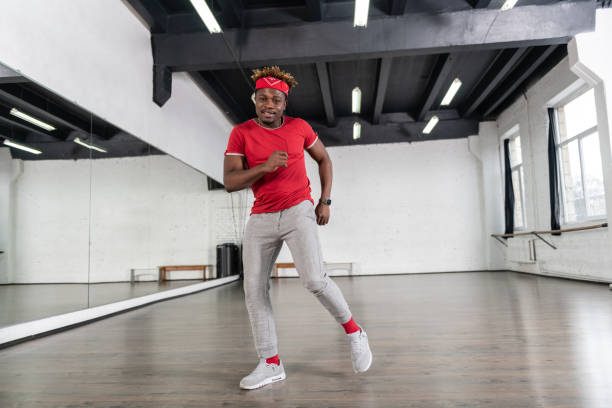
Discovering a path to lasting recovery begins with crafting sustainable habits that nurture your body and mind. Let us explore how evidence-based rehab techniques and habit stacking can aid your journey.
Evidence-Based Rehab Techniques
Evidence-based techniques are the backbone of effective recovery. They focus on tailored, research-supported practices to guide you safely back to health. Imagine the relief of knowing your rehab plan is built on solid ground. Techniques like graded exposure gradually increase your activity level, allowing your body to adapt without overwhelming it. This method prevents setbacks, making you feel more in control.
Incorporating specific exercises is crucial. For instance, simple movements like a 10-minute daily stretch can significantly improve flexibility. A study showed that 85% of participants experienced reduced pain with consistent stretching routines. By prioritizing these practices, you build a foundation for resilience and confidence in your body’s capabilities.
Building Strength and Mobility
Building strength and mobility is key to a robust recovery. Strengthening exercises enhance your body’s capacity to handle daily demands without injury. Consider this: a stronger core can reduce lower back pain by up to 30%. Incorporate exercises such as planks or body-weight squats into your routine. These movements not only build muscle but also improve balance and coordination.
Mobility exercises are equally important. Gentle yoga or tai chi sessions encourage joint flexibility and mental relaxation. Try dedicating just 15 minutes a day to these activities, and you’ll notice an increase in your range of motion and a decrease in stiffness. Remember, the goal is to create a balanced regimen that supports your long-term healing.
Habit Stacking Strategies
Integrating new habits into your life doesn’t have to be daunting. Habit stacking is a powerful strategy that involves pairing new habits with existing ones, making them easier to adopt. For example, try doing calf raises while brushing your teeth. This simple combination can become part of your daily routine with minimal effort. Research shows that linking new habits to established routines increases adherence by 55%.
Focus on small, manageable changes. Choose one new habit at a time and link it to a daily activity. Over time, these small changes accumulate, creating a powerful impact on your health. When you see the benefits of stacking habits, your motivation to continue grows, paving the way for sustainable wellness.
Injury Prevention Techniques

With sustainable habits established, it’s time to focus on injury prevention. Employing techniques like graded exposure, nervous system regulation, and stress management can shield you from future setbacks.
Graded Exposure and Load Management
Injury prevention starts with understanding your body’s limits. Graded exposure gently pushes those limits without causing harm. Begin by identifying a baseline—what can you do without pain? Gradually increase the intensity or duration of activities by 10% weekly. This method builds your body’s tolerance safely.
Load management is equally vital. It’s about balancing rest and activity. Overloading too soon can lead to setbacks, while too much rest can weaken your body. Strive for a sweet spot where your body feels challenged but not overwhelmed. By practicing these strategies, you’ll enhance your resilience against injuries.
Nervous System Regulation
Your nervous system plays a crucial role in pain perception and recovery. Regulating it can diminish pain signals and improve healing. Techniques like breathing exercises and mindfulness practices can calm your nervous system, reducing stress and enhancing recovery.
Breathing exercises are simple yet effective. Spend a few minutes each day focusing on slow, deep breaths. This practice lowers cortisol levels, reducing stress and promoting a sense of calm. Over time, these techniques can transform your relationship with pain, making it more manageable.
Stress and Sleep Management
Stress and sleep are often overlooked aspects of injury prevention. Chronic stress increases inflammation, while poor sleep impairs healing. Prioritize stress management by incorporating activities like meditation or gentle exercise into your routine. These practices can lower stress levels by up to 40%, promoting a healthier environment for recovery.
Adequate sleep is your body’s natural healer. Aim for 7-9 hours of quality sleep each night. Create a bedtime routine that includes winding down with a book or warm bath. Consistent, restful sleep enhances your body’s ability to repair and rejuvenate, reducing the risk of injury.
Holistic Physiotherapy Approaches
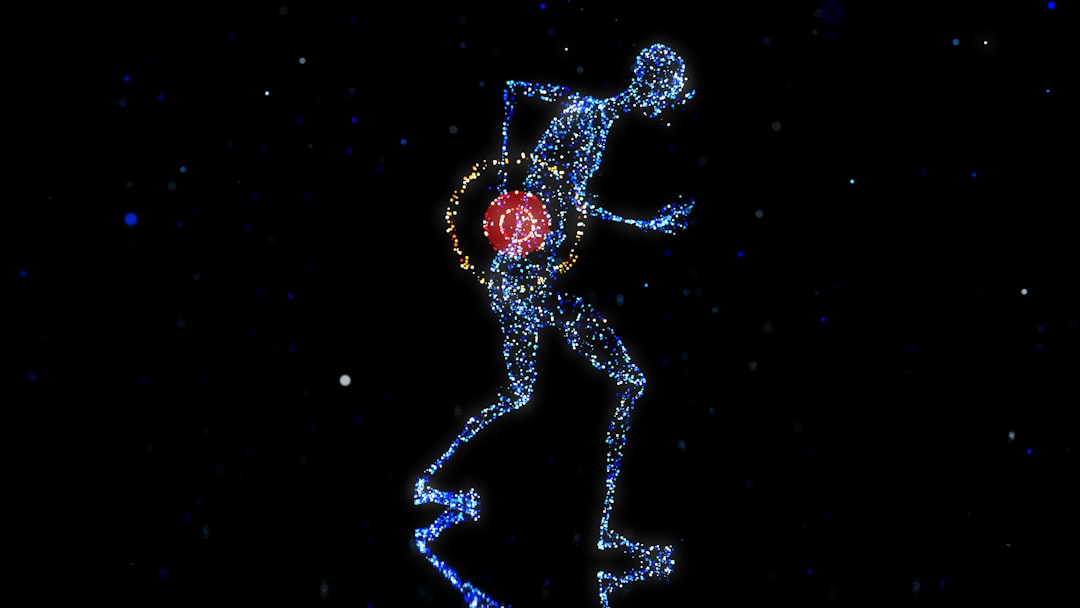
Holistic approaches combine physical and emotional healing for a comprehensive recovery. Let’s delve into pain coaching, injury rehabilitation, and innovative virtual physiotherapy.
Pain Coaching and Persistent Pain Management
Pain coaching empowers you to understand and manage your pain effectively. It involves personalized strategies that address the emotional and physical aspects of pain. By identifying triggers and developing coping mechanisms, you gain control over your pain experience.
Persistent pain management requires a holistic approach. Combining physical exercises with emotional support creates a balanced recovery plan. The TLC Project is an example of integrating these elements, offering tailored care that addresses your unique needs. With these strategies, you can transform your relationship with pain, finding relief and empowerment.
Dance and Sports Injury Rehabilitation
Specialized rehabilitation for dancers and athletes requires unique strategies. Dance and sports injury rehab focuses on restoring movement confidence and performance. Techniques include targeted strength training and flexibility exercises that cater to specific sports or dance demands.
Working with knowledgeable professionals ensures that your rehab plan is tailored to your sport’s requirements. This guidance helps prevent future injuries and supports a swift return to performance. By investing in specialized rehab, you’re prioritizing a full and confident recovery.
Virtual Physiotherapy and The TLC Project
In today’s digital age, virtual physiotherapy offers accessible support. The TLC Project provides virtual sessions that bring expert guidance to your home. This flexibility means you can receive care that fits into your schedule, ensuring consistency in your recovery journey.
Virtual sessions combine personalized exercises and professional advice, creating a comprehensive approach to recovery. The convenience of accessing care from home removes barriers, making it easier to stay committed to your health goals. As a result, you can continue building sustainable habits and prevent injuries from the comfort of your home.
In conclusion, integrating sustainable habits, injury prevention techniques, and holistic approaches creates a powerful foundation for healing. By adopting these strategies, you empower yourself to move beyond pain and embrace a life of wellness.