Mastering Movement: Practical Tips for Pacing to Prevent Injury Setbacks
Most people push through pain, thinking it’s just part of healing. But moving too fast or too much can actually set you back—and that’s frustrating. Mastering pacing movement is key to avoiding injury setbacks and making steady progress. Let’s explore simple, practical tips that support your recovery and respect your body’s limits. Check out this resource for more on pacing movement.
Understanding Pacing Movement

Getting a handle on pacing is like finding a secret key to unlock steady recovery. When you know how to pace, you help your body heal without extra setbacks.
Importance of Pacing
Pacing is more than just slowing down. It’s about finding your perfect balance between activity and rest. By doing this, you minimize the risk of overloading your body, which can lead to injuries. Imagine running a marathon without any breaks—exhausting, right? Similarly, your body needs intervals of gentle movement and relaxation to thrive. Learn about pacing strategies that can help you stay on track without injuring yourself.
Key Principles for Injury Prevention
Preventing injuries involves more than merely avoiding risks. It’s about intentionally building strength and flexibility over time. Embrace the principle of “little and often,” which helps in gradually enhancing your body’s resilience. For instance, if you’re eager to get back to jogging, start with short intervals and increase them gradually each week. This method is less likely to overwhelm your body. Remember, it’s not about pushing through pain. It’s about building your capacity steadily.
Benefits of Holistic Physiotherapy
Holistic physiotherapy offers a full-spectrum approach to recovery. It considers not only physical aspects but also emotional and mental factors in healing. By integrating methods like massage, movement therapy, and even mindfulness, this approach helps you achieve a balanced recovery. For athletes, performers, or anyone recovering from injuries, holistic physiotherapy is a game-changer. It bridges the gap between mind and body, fostering a deeper connection with your healing process. Explore more strategies here.
Practical Recovery Strategies

As we delve deeper into recovery strategies, let’s focus on practical ways to listen to your body and set achievable goals that honor your pace.
Listening to Your Body
Your body whispers before it screams. Paying attention to those whispers can prevent a lot of unnecessary discomfort. Notice how your body feels after activities. Are there specific movements that cause discomfort? Adjust accordingly. Listening isn’t just about avoiding pain—it’s about recognizing what feels right and building on that. If a certain exercise feels good, try to incorporate it regularly. On tough days, scale back but keep moving gently.
Setting Realistic Goals
Realistic goals are your roadmap to steady progress. Begin by identifying what you want to achieve, whether it’s walking a mile or lifting a certain weight. Break these goals into smaller, manageable steps. For instance, if lifting weights is your goal, start with lighter weights and increase gradually. Celebrate each small victory to stay motivated and clear about the path ahead.
Incorporating Rest and Recovery
Rest is not the enemy of progress—overdoing it is. Recovery days are crucial for muscle repair and energy restoration. It’s essential to include rest in your routine, as it helps in avoiding burnout and injuries. If you’re used to intense workouts, consider lighter activities like stretching or yoga to keep your body engaged. This balance between action and rest keeps your recovery on course.
Empowering Your Pain Management
Now that we’ve explored recovery strategies, let’s empower your pain management with a supportive network, mental resilience, and expert guidance.
Building a Support Network
A strong support network can make a big difference in your recovery journey. Friends, family, and professionals who understand your goals can provide encouragement and accountability. They can celebrate your wins and offer support during challenging times. Joining a community group or forum can also connect you with others who share similar experiences, providing mutual support and motivation.
Fostering Mental Resilience
Pain management isn’t just physical; it’s about mental strength too. Developing resilience helps you bounce back stronger from setbacks. Practice mindfulness or meditation to stay centered. These practices can calm the mind and reduce stress, making it easier to deal with pain. Remember, resilience isn’t about ignoring pain but managing it positively and proactively.
Seeking Professional Guidance
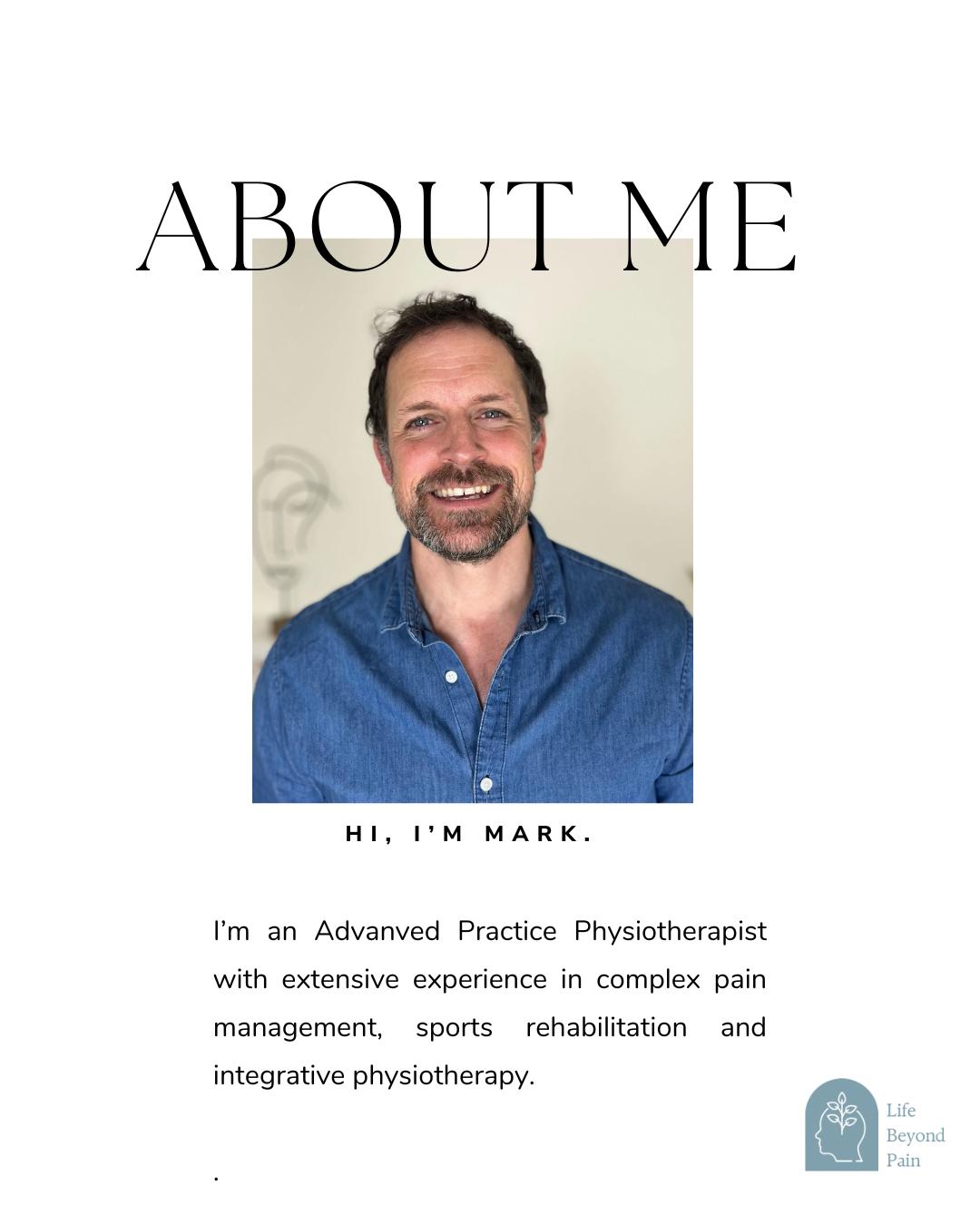
Professional guidance can be a beacon on your recovery path. Physiotherapists and healthcare providers offer personalized strategies tailored to your specific needs. They can guide you through exercises, provide treatment, and adjust plans as necessary. Don’t hesitate to seek expert advice. Engaging with professionals not only fast-tracks your recovery but also empowers you with knowledge and confidence to manage your pain effectively. For more insights on dealing with setbacks, visit this link.
🌟
By understanding pacing movement and incorporating these strategies, you’re setting the stage for a more empowered recovery journey. Remember, your path to healing is unique. Embrace it with patience and persistence.