Creating Your Personal Daily Sanctuary: Simple Moments to Soothe Your Nervous System and Ease Pain
Pain can take over your day without warning, leaving you tense and drained. Finding small, soothing moments to calm your nervous system can shift that balance and bring relief. At Life Beyond Pain, we focus on creating your personal daily sanctuary—simple steps that support nervous system relaxation and chronic pain relief. Ready to explore how these gentle practices can help you feel steadier and more in control? Learn more.
Building Your Daily Sanctuary
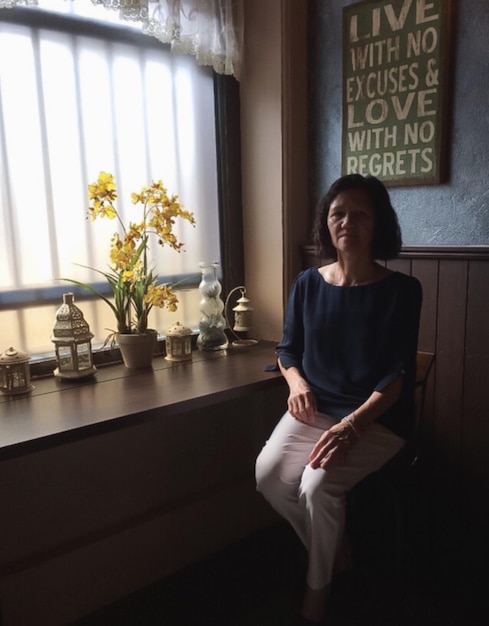
Creating a space in your life for peace and healing can shift your entire day. In this section, discover practical ways to bring calm into your daily routine.
Finding Your Quiet Space
Your journey begins with finding a quiet space for yourself. This doesn’t require a dedicated room; a simple corner with a chair can work wonders. Imagine a spot where you feel safe and at ease. This is your haven, your retreat from the hustle and bustle. Settle here regularly, letting it become a touchstone for tranquility.
Once you’ve found your space, personalize it. Add items that bring you joy, like a favorite photo or a comforting pillow. These small touches make your space truly yours. Remember, this isn’t about perfection—it’s about finding a little peace. Over time, this space becomes a physical reminder of your commitment to self-care.
Simple Practices for Calm
In this sanctuary, engage in simple practices that nurture calm. Start with a few minutes of quiet reflection. Close your eyes and breathe slowly, releasing the tension of the day. This practice, though brief, can reset your mind and body.
Try incorporating sound into your routine. Soft music or nature sounds can soothe your nerves. Even a few minutes can make a difference. Another option is guided meditation, which offers structure and support. Explore different options to find what resonates most with you.
Soothe Your Nervous System

With your sanctuary established, it’s time to dive into techniques that specifically target your nervous system. These practices offer relief and foster a sense of well-being.
Breathing Techniques for Relaxation
Breathing deeply and intentionally can significantly impact how you feel. Start with the 4-6 breath method. Inhale slowly for four counts, then exhale for six. This simple rhythm helps activate your body’s rest-and-digest mode.
As you breathe, notice the sensations in your body. Feel your chest rise and fall. This awareness can ground you, bringing focus and calm. Try this technique several times a day, especially during moments of stress. Over time, you’ll notice a shift in how your body responds to challenges.
Gentle Movement for Relief
Movement doesn’t have to be intense to be effective. Gentle exercises like stretching or yoga can ease tension and promote circulation. Spend a few minutes each day moving mindfully, paying attention to how your body feels.
Consider incorporating a simple yoga routine. Poses like child’s pose or cat-cow stretch are gentle yet effective. These movements encourage your body to release stiffness and welcome flexibility. Regular practice can lead to profound changes in how you experience pain.
Integrating Holistic Pain Management

Beyond physical practices, holistic pain management considers your emotional and psychological needs. Learn how to support your well-being for a comprehensive approach to health.
Emotional Well-being Support
Your emotional health is a key component of pain management. Addressing stress and anxiety can reduce pain perception. Journaling is a helpful tool. Write down your thoughts and feelings, allowing them to flow without judgment.
Connect with others who understand your journey. Sharing experiences can reduce feelings of isolation. Consider joining a support group or an online community. These connections offer both emotional support and practical advice.
Physical Therapy Benefits
Physical therapy can be a cornerstone of pain relief. It provides targeted exercises designed to improve function and reduce discomfort. Working with a skilled therapist ensures your program meets your specific needs.
Therapists often incorporate techniques like massage or heat therapy, enhancing relaxation. They also emphasize education, empowering you to take control of your health journey. With their guidance, you can make informed choices and cultivate long-term resilience.
By integrating these practices, you create a supportive environment for healing. Your daily sanctuary becomes a foundation for comfort and relief. Though this is just the beginning, each step you take builds momentum. You have the power to transform your experience, moving toward a life of ease and possibility. 🌼