Unlock the Healing Power of Rhythmic Movement
Most pain treatments focus only on symptoms, leaving you stuck in a cycle of discomfort. But steady, mindful motion—rhythmic movement—can change how your body heals and feels. This simple practice supports holistic recovery by connecting your mind and body, easing chronic pain, and speeding athlete rehabilitation. Let’s explore how rhythmic movement can become a powerful part of your healing journey. Learn more about healing through movement.
The Science of Rhythmic Movement
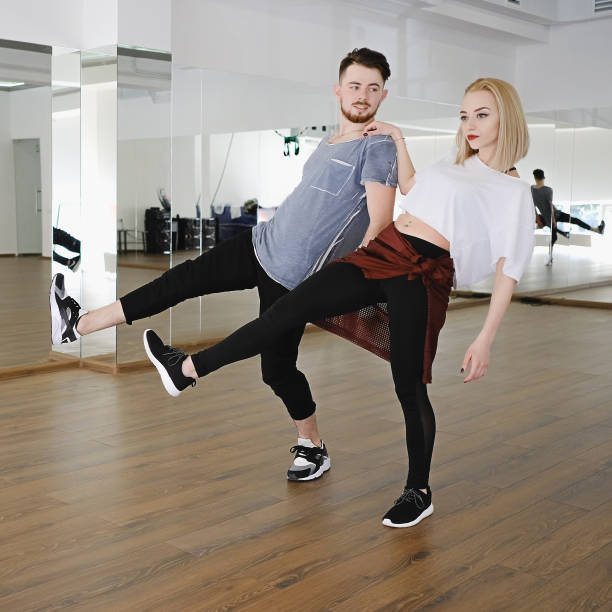
Rhythmic movement holds incredible power for healing. By syncing the body and mind, you can experience a profound shift in your recovery process. Let’s dive into how this works.
Understanding Mindful Motion
Mindful motion means moving with awareness. It’s about feeling each step or sway, rather than just going through the motions. As you engage in rhythmic activities like walking or dancing, you become more attuned to your body’s needs. This awareness can lead to improved mental and physical health.
For instance, imagine swaying gently to music. You notice how your muscles relax, and your breath flows easier. This simple act can significantly lower stress and boost your mood. Most people think rigorous exercise is the only way to improve health, but mindful motion shows how gentle, rhythmic movements can offer similar benefits.
Benefits for Holistic Recovery
Holistic recovery is about treating the whole person, not just symptoms. Rhythmic movement supports this by encouraging the body to heal naturally. As you incorporate rhythmic practices, you might notice a reduction in pain and a boost in energy levels.
Consider a story of a dancer who regained confidence through rhythmic exercises. She felt her movements become fluid again, and her pain decreased. Here’s the key insight: rhythmic movement not only helps you physically but also emotionally, providing a balanced approach to healing.
To explore more about the healing power of movement, check out this article on dance therapy.
Integrating Movement into Healing

Integrating rhythmic movement into your routine can transform your recovery. Discover strategies for chronic pain relief and techniques for athlete rehabilitation.
Chronic Pain Relief Strategies
For those with chronic pain, rhythmic movement can be a game-changer. It encourages gentle, safe motion, which reassures your nervous system that it’s safe to move. This practice can help reduce pain sensitivity over time.
-
Begin Slowly: Start with simple movements like walking or rocking. Even a few minutes can make a difference.
-
Stay Consistent: Regular practice helps reinforce positive changes in your body.
-
Listen to Your Body: Adjust movements based on what feels right for you. This is your journey, and it’s about finding what works best.
By focusing on rhythmic movement, you break the cycle of pain and fear. Most assume pain means rest, but mindful motion can provide relief and empowerment.
Athlete Rehabilitation Techniques
Athletes often face the challenge of recovering without losing their edge. Rhythmic movement aids rehabilitation by rebuilding strength and flexibility while maintaining a connection with their body.
Imagine a sprinter recovering from injury. Using rhythmic exercises like gentle jogging or swimming, they gradually regain their pace.
-
Focus on Balance: Rhythmic movements help restore coordination, crucial for athletes.
-
Incorporate Variety: Mix different activities to engage various muscle groups and prevent burnout.
Athletes often find rhythmic movement keeps them grounded during recovery. It supports their physical needs and nurtures mental resilience. Learn more about the connection between movement and healing in this article about trauma therapy.
Personalized Physiotherapy Solutions
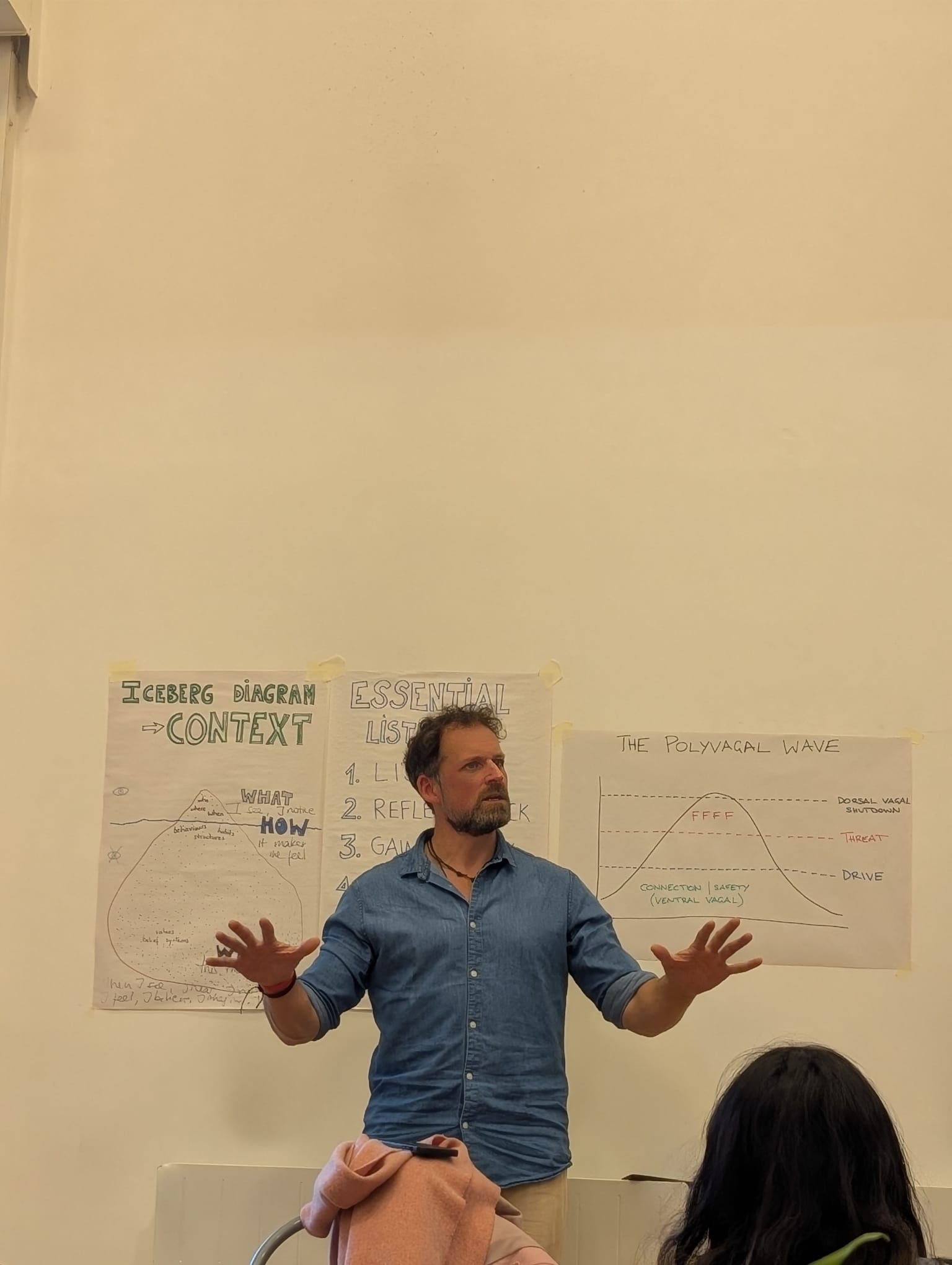
Personalized solutions make a significant difference in healing. Explore expert-guided recovery plans and the benefits of special introductory sessions.
Expert-Guided Recovery Plans
Working with a skilled physiotherapist can enhance your recovery. They craft personalized plans that cater to your unique needs, ensuring you receive the best care possible.
Here’s what you can expect:
-
Tailored Exercises: Specific movements designed to target your pain points.
-
Continuous Support: Regular check-ins to adjust your plan as you progress.
-
Holistic Approach: Combining physical exercises with emotional support for a well-rounded recovery.
Most people think recovery is a solitary journey, but expert guidance can accelerate progress and provide reassurance.
Special Introductory Sessions 🌟
If you’re new to rhythmic movement, a special introductory session can be the perfect start. These sessions offer a glimpse into the benefits of mindful motion and how it can transform your healing process.
During these sessions, you’ll experience:
-
A Safe Environment: Feel supported as you explore new movements.
-
Professional Insights: Learn techniques from experienced professionals who understand your needs.
-
Immediate Feedback: Get instant guidance to refine your practice.
By taking part in these introductory sessions, you open yourself to new possibilities for healing. Remember, the longer you wait to start, the longer it may take to experience the benefits.
To learn more about the powerful effects of music and movement in therapy, visit this resource on music therapy.
In summary, rhythmic movement is a valuable tool in your healing journey. Whether you’re managing chronic pain or recovering from an injury, mindful motion provides a holistic approach to health. Embrace this practice, and you’ll find a path to recovery that nurtures both body and mind.