Creating Micro-Moments of Calm: Your Path to Easing Pain Flare-Ups
Pain flare-ups don’t have to control your day. Small, deliberate pauses—micro-moments of calm—can ease pain flare-ups and shift your body’s response. In this post, you’ll learn simple ways to bring these moments into your routine, supporting your path toward chronic pain relief with stress reduction techniques that work. Learn more about managing chronic pain here.
Discovering Micro-Moments of Calm
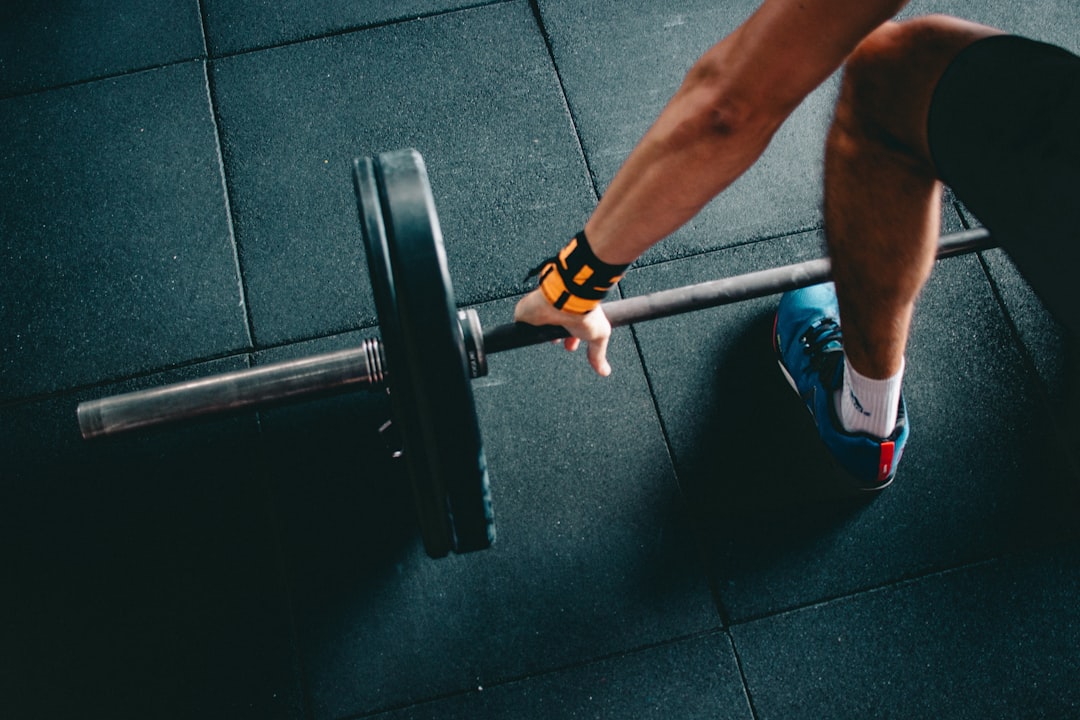
Finding peace in small moments can change the way your body handles pain. It’s about using these moments to calm your mind and body. Let’s explore simple ways to create these moments.
Quick Deep Breathing Techniques
Start by focusing on your breath. Deep breathing is a powerful way to calm your nervous system. Here’s how you can practice it:
-
Inhale deeply through your nose for four counts. Feel your lungs expand.
-
Hold your breath for a moment, counting to two.
-
Exhale slowly through your mouth for six counts. Try to make your exhale longer than your inhale.
Repeat this cycle a few times. This simple technique can be done anywhere. It helps reduce stress, easing the tension that often accompanies pain.
Simple Mindfulness Practices
Mindfulness is about being present in the moment. It can be as simple as noticing your surroundings or your own feelings without judgment.
-
Focus on your senses: What do you see? What do you hear? What textures can you feel?
-
Practice gratitude: Think of three things you’re thankful for today.
These small practices can create a shift in how you experience pain. They help by focusing your mind away from discomfort and onto something more pleasant. Discover more mindfulness tips here.
Easing Pain Flare-Ups Naturally

Integrating movement into your routine is key to managing pain naturally. Movement helps circulate blood and release tension, providing relief.
Gentle Stretching Exercises
Stretching is a gentle way to keep your muscles flexible and reduce pain. Here’s a simple routine:
-
Neck stretch: Gently tilt your head to one side, holding for 15 seconds. Switch sides.
-
Shoulder rolls: Roll your shoulders forward and backward ten times each.
These stretches can be done daily. They help maintain flexibility and prevent stiffness, which can escalate pain.
Importance of Regular Movement
Moving regularly, even in small ways, is crucial. It can be as simple as a short walk or light yoga. Here’s why it’s important:
-
Improved circulation: Keeps your muscles nourished and reduces pain.
-
Endorphin release: Movement stimulates hormones that naturally diminish pain.
Don’t wait for pain to dictate your activity. Incorporate movement into your day to build resilience against flare-ups. Discover more about managing pain here.
Holistic Pain Management Approaches

Addressing both physical and emotional aspects of pain can enhance your overall well-being. This dual approach supports sustainable relief.
Combining Physical and Emotional Care
Physical care involves exercises and therapies, while emotional care focuses on mental health. Here’s how to blend them:
-
Physical: Engage in activities like stretching or physiotherapy.
-
Emotional: Practice techniques like mindfulness or counseling.
Combining these helps in managing pain more effectively. It’s not just about treating symptoms but nurturing your overall health. Learn about mindfulness for pain relief here.
Personalized Strategies for Chronic Pain Relief
Creating a personalized plan is key. Everyone’s pain is unique, so your strategy should be too.
-
Identify triggers: Keep a journal of what increases or decreases your pain.
-
Set realistic goals: Focus on small, achievable steps toward managing pain.
These strategies empower you to take control. They transform how you interact with pain, making it more manageable.
🌟
By incorporating these practices, you can create a path towards chronic pain relief and a more balanced life. Remember, the journey to ease pain begins with small, intentional steps.