Unlocking the Secret to Safe Rest: Relearning Relaxation in Chronic Pain Recovery
Rest often feels anything but safe when chronic pain never lets up. Your body may stay tense, your mind alert, and true relaxation seems out of reach. This is why relearning how to rest safely matters—and how targeted relaxation techniques can help you reclaim calm and healing through holistic pain management and physiotherapy. Learn more about relaxation techniques here.
Understanding Safe Rest in Chronic Pain
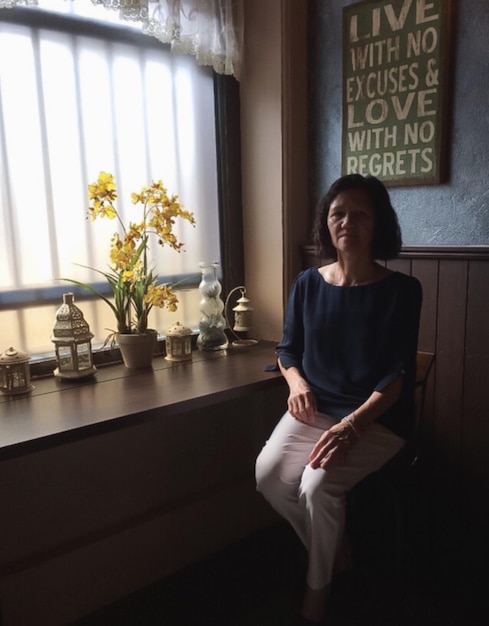
Feeling restless even when lying in bed? You’re not alone. Let’s explore why rest can feel elusive when pain lingers.
Why Rest Feels Unsafe
Chronic pain keeps your body on high alert, like a car engine constantly revving. Even when you lie down, your mind races, muscles tense, and relaxation seems impossible. Your nervous system perceives stillness as a threat, making rest feel unsafe.
Imagine you’re trying to relax after a long day. Your body aches, and closing your eyes only intensifies the discomfort. It’s a cycle of restlessness that many with chronic pain experience. Your brain, wired to protect you, scans for danger even when everything seems calm.
Impact on Mind and Body
This state of hypervigilance affects more than just sleep. When your body can’t relax, your mind remains alert too. This impacts your mental health, leading to fatigue and anxiety. Your body, forever tensed, struggles to recover, deepening the cycle of pain.
Consider a time when stress kept you awake. Now, imagine that stress as a constant companion. Chronic pain transforms rest into a battleground, where exhaustion reigns. Explore more about mind-body connection here.
Importance of Safe Rest
Creating a safe space for relaxation is vital. It’s not just about sleep—it’s about teaching your body to find calm. Safe rest allows your nervous system to step back from hypervigilance, promoting healing and reducing pain.
Safe rest isn’t a luxury; it’s a necessity. When your body feels secure, it begins to heal. This isn’t about forcing stillness but fostering an environment where your body can truly relax.
Relearning Relaxation Techniques

Ready to reclaim your rest? Here, we delve into effective methods for true relaxation.
Practical Strategies for Relaxation
You might wonder how to help your body feel safe enough to rest. Start with simple exercises like deep breathing or guided imagery. These methods engage your senses, signaling safety to your nervous system.
-
Deep Breathing: Inhale for four counts, then exhale for six. This simple pattern calms your nervous system.
-
Guided Imagery: Picture a peaceful scene and focus on details, shifting attention from pain to tranquility.
-
Progressive Muscle Relaxation: Tense and release muscle groups to teach your body the difference between tension and relaxation.
These strategies might seem small, but they can make a significant difference over time. Learn more relaxation techniques here.
Role of Physiotherapy
Physiotherapy plays a crucial role in your journey to safe rest. Therapists guide you through tailored exercises to release tension and improve mobility. This physical support complements mental relaxation techniques.
Consider physiotherapy as a partner in your recovery. With expert guidance, you learn movements that ease pain and promote relaxation. It’s a comprehensive approach, addressing both physical and emotional aspects of your health.
Holistic Pain Management Benefits
Holistic approaches, combining physical therapy with mental strategies, offer a path to healing. This comprehensive care recognizes the link between mind and body, helping you break the pain-restlessness cycle.
By embracing holistic methods, you’re not just managing symptoms—you’re transforming your relationship with pain. It’s about fostering a life where rest is not just possible but restorative. Discover holistic pain management strategies here.
Empowering Your Recovery Journey

Ready to start anew? Building a routine that supports your recovery is key.
Building a Supportive Routine
Create a routine that nurtures both body and mind. Begin with small steps, like setting consistent sleep times or incorporating calming rituals before bed. These habits signal safety to your nervous system.
Picture your ideal day, one where rest is a natural part. Incorporate activities that bring joy and calm, whether it’s a morning stretch or an evening meditation. Consistency builds trust in your body’s ability to heal.
Importance of Emotional Well-being
Your emotional health is as vital as physical recovery. Chronic pain can weigh heavily on your mind, leading to feelings of frustration or helplessness. Addressing these emotions is crucial for holistic healing.
Consider journaling or talking to a therapist about your experiences. Expressing emotions lightens their burden, guiding you toward a place of peace. Remember, healing encompasses the whole person—body and soul.
Taking the First Step Towards Healing 🌟
Healing begins with a single step. Acknowledge the challenge, but also the potential for growth. Embrace this journey with hope and determination, knowing that small changes lead to significant transformation.
The longer you wait, the longer pain holds sway over your life. But by taking action today, you open the door to a future where rest brings rejuvenation and relief. It’s time to reclaim your life beyond pain. Book your session today and begin your journey to healing.
By integrating these insights and strategies, you empower yourself to move beyond pain and into a life of possibility. Safe rest is within reach, and your journey toward holistic healing begins now.