The Winning Edge: Integrating Psychological Support in Sports Injury Recovery
Most sports injury recovery plans focus only on the body, but healing is more than muscles and bones. When psychological support joins physical rehab, athletes rebuild not just strength but confidence and resilience. This integrated care shapes a holistic rehabilitation path that helps you return stronger—mind and body working as one. Let’s explore why addressing athlete mental health matters in your recovery. Learn more about the importance of psychological support in sports injury recovery here.
The Role of Psychological Support
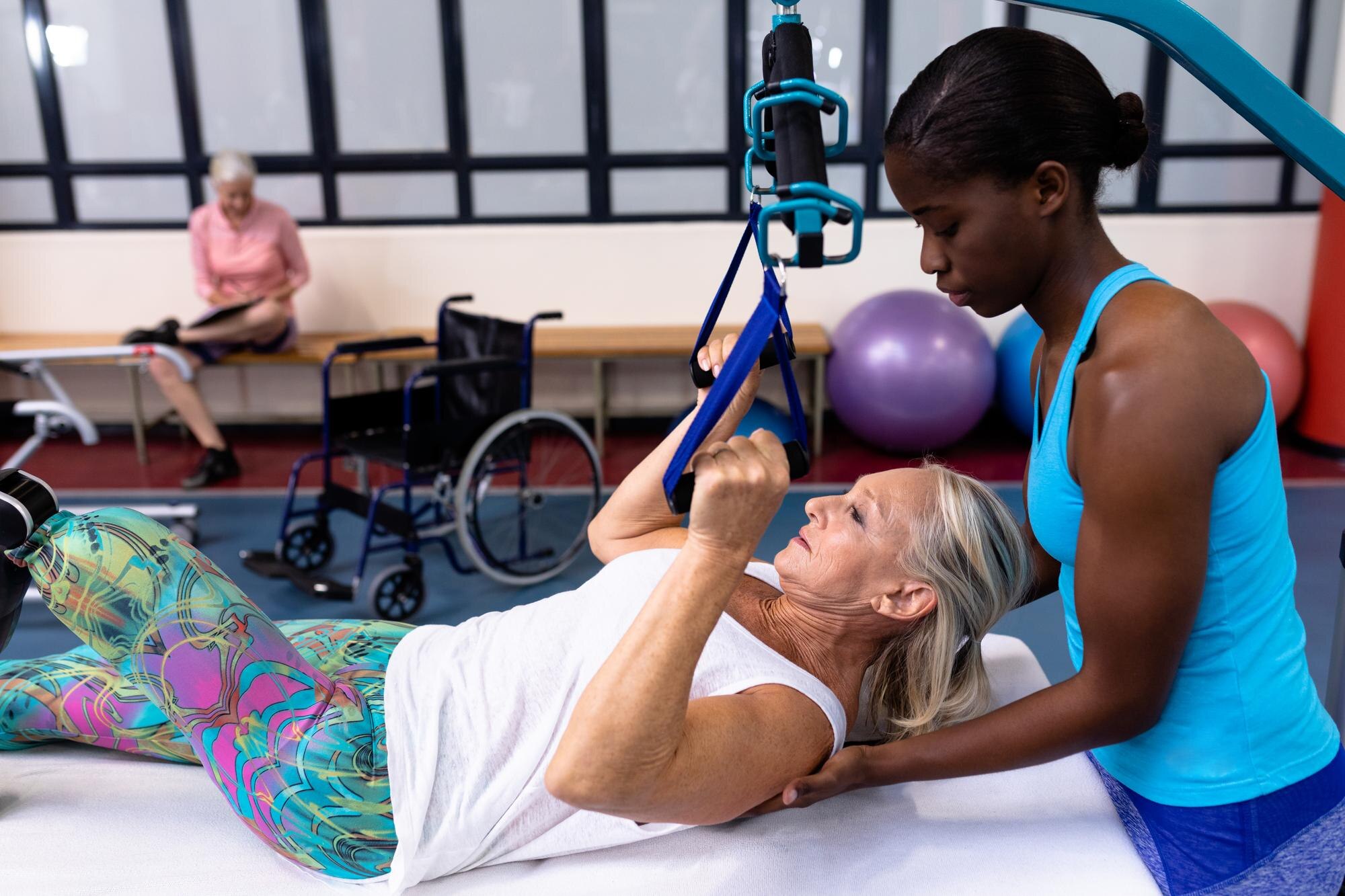
In sports injury recovery, addressing mental well-being can be as crucial as physical treatment. Athletes often face unseen challenges when sidelined by an injury. Bridging the gap between mind and body is essential for complete healing.
Building Mental Resilience
Why focus on mental resilience during recovery? It helps you push through setbacks with grit. When your mind is strong, your body follows. For instance, visualize a marathon runner who uses mental techniques to conquer fatigue. Similarly, athletes can learn to stay calm and focused under pressure. Techniques like mindfulness and visualization strengthen your mental armor.
These methods aren’t just about feeling better—they improve performance. Most athletes assume physical rehab is enough, but mental resilience is the secret weapon. It’s time to rethink your recovery strategy.
Overcoming Emotional Barriers
Injury can stir emotions like fear and frustration. These feelings are natural but can hinder your progress. By acknowledging emotional hurdles, you pave the way for true healing. Emotional support helps you accept these feelings, not shy away from them.
Consider a gymnast who fears injury recurrence. With emotional guidance, she can face this fear head-on. Breaking down barriers transforms them into stepping stones. Remember, every athlete’s journey includes emotional battles. Address yours to move forward with confidence. Discover more about overcoming these barriers here.
Benefits of Holistic Rehabilitation
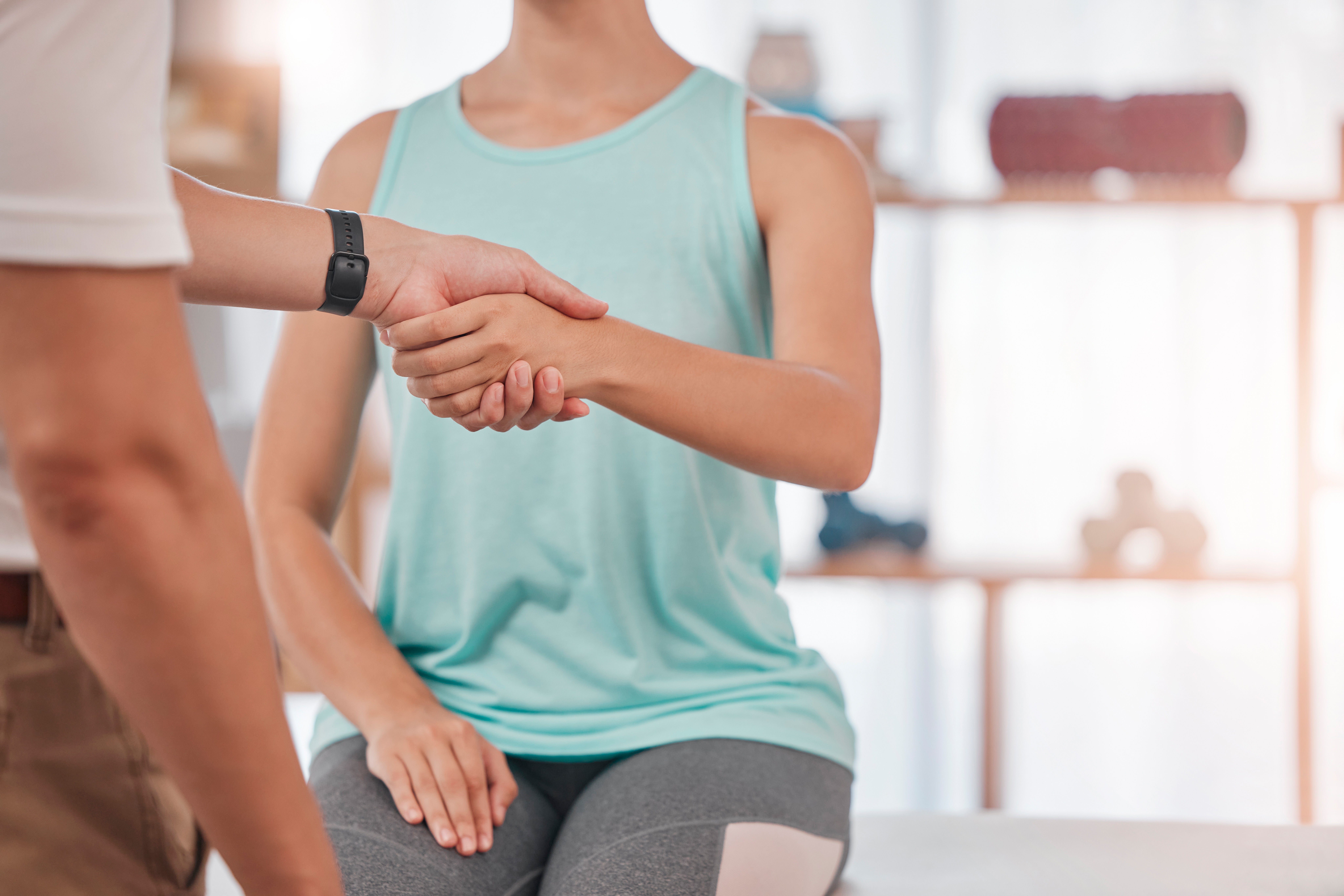
A balanced approach to recovery taps into the power of both body and mind. By integrating psychological and physical care, you unlock a comprehensive path to healing. This union is more than just a trend—it’s the future of sports recovery.
Strengthening Mind-Body Connection
When your mind and body work together, recovery accelerates. This connection boosts your healing capacity. Imagine an athlete who not only trains physically but also mentally. The result? Faster recovery and enhanced performance.
Holistic rehabilitation offers tools like yoga and meditation to deepen this bond. These practices promote relaxation and focus, key ingredients for healing. Most athletes overlook this synergy, but it’s the boost your recovery needs.
Enhancing Overall Recovery
Holistic care doesn’t just heal injuries—it elevates your entire well-being. A study found that athletes with psychological support returned to play quicker. Why? They felt more prepared and confident. This approach transforms setbacks into opportunities for growth.
By looking beyond the physical, you embrace a fuller recovery. This isn’t just about getting back on the field; it’s about thriving there. The longer you wait to integrate care, the more you miss out on potential gains. Learn more about the effectiveness of holistic approaches here.
Implementing Integrated Care

Putting integrated care into practice requires thoughtful strategies and expert collaboration. Starting with the right plan ensures you reap all the benefits of a holistic approach.
Strategies for Successful Integration
Success lies in incorporating mental exercises into your routine. Start small—add five minutes of mindfulness to your day. Gradually, build up to more complex practices that suit your needs. This step-by-step approach avoids overwhelm and fosters consistency.
Most people think recovery is about doing more physically, but mental practices hold power too. Balancing both is the key to a robust recovery plan. Here’s the key insight: prioritize both mind and body for a winning strategy.
Collaborating with Experts
Engaging with professionals who understand both physical and mental recovery makes a difference. Whether it’s a physiotherapist or a sports psychologist, their expertise guides your journey. They tailor strategies to your unique situation, providing the support you need.
Building a support team isn’t just for elite athletes—it’s for anyone serious about recovery. Collaborate with experts to harness the full potential of integrated care. This partnership transforms rehabilitation into a well-rounded experience. For more insights, read this article on expert collaboration in sports recovery.
By embracing a holistic approach to sports injury recovery, you not only heal but thrive. Take charge of your journey with integrated care and unlock new levels of strength and resilience.